How to Convert Estimates to Invoices
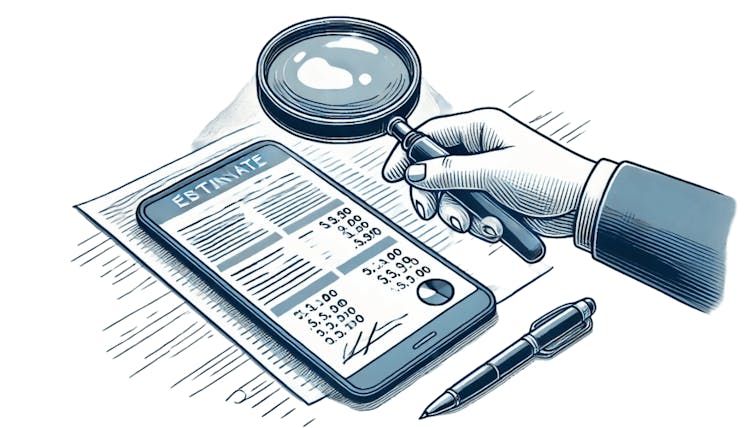
Difference Between Estimate and Invoice
The difference between an estimate and an invoice lies in their purpose and use in business transactions:
- Estimate (Quote):
Purpose: An estimate is a preliminary document providing the client with an anticipated cost of services or products before they are delivered. It informs the client of the price to help them decide whether to proceed with the service or product.
Content: An estimate includes a detailed description of services or products and their approximate costs. It may also include a timeline and terms.
Legal Binding: An estimate is not legally binding. It is an indicative offer that can change depending on further circumstances or agreements between the parties.
- Invoice:
Purpose: An invoice is a formal request for payment for services or products already provided. It serves as proof of sale and a claim for payment.
Content: An invoice includes details of the services or products, quantities, unit prices, the total amount due, due date, and payment terms. It may also include tax information and other relevant details.
Legal Binding: An invoice is a legally binding document serving as an official record of the transaction, requiring the client to pay the specified amount by the due date.
What Is the Easiest Way to Convert Estimates to Official Invoices?
The easiest approach is through custom billing software that automates this transition. Clear communication, consistent formatting, and legal safeguards are essential. Without understanding the nuances of this process, obstacles may arise that could delay payment.
Automating the Conversion of Estimates to Invoices Using Billing Software
Efficient conversion from an estimate to an invoice not only reflects professionalism but also significantly reduces the time to payment. Creating templates that include business details and payment terms further simplifies the process. The importance of defining payment terms in advance cannot be underestimated. This sets expectations early and prevents future disputes. Additionally, if project specifics are tracked within the billing software, the final invoice reflects the actual work done, avoiding delays in issuing invoices. Finally, the speed of invoicing is closely linked to the speed of payment, highlighting the importance of quickly converting estimates to invoices.
Ensuring Accuracy and Consistency When Converting Estimates to Invoices
Clarity in initial estimates is paramount as it directly affects the subsequent accuracy of invoices. Maintaining terminological and formatting consistency between the estimate and invoice ensures the transfer of details remains transparent and straightforward. If adjustments are necessary, they should be clearly marked on the invoice to maintain honest dialogue. Detailed itemization in estimates seamlessly transfers to invoices, eliminating omissions or errors. Lastly, a careful review process—double-checking all data against the original estimate—protects against inaccuracies that could delay payment.
Legal Framework in Billing: From Estimates to Enforceable Invoices
Legally, while estimates do not hold the binding force of a contract, once accepted by the client, they can become part of the agreement. Including disclaimers specifying the possibility of cost changes can ensure legal immunity against disputes. Any changes from the estimate to the invoice should be confirmed by the client to avoid disagreements. An invoice, unlike an estimate, is a definitive request for payment and should be treated as such. Clearly defining payment terms, deadlines, and consequences for late payment is not only practical but can also be legally binding, ensuring protection in case of delayed or non-payment.
For easy and straightforward invoice creation, consider using InvoiceOnline, which allows you to generate invoices quickly and securely directly from your browser—with a free trial available without requiring a credit card.