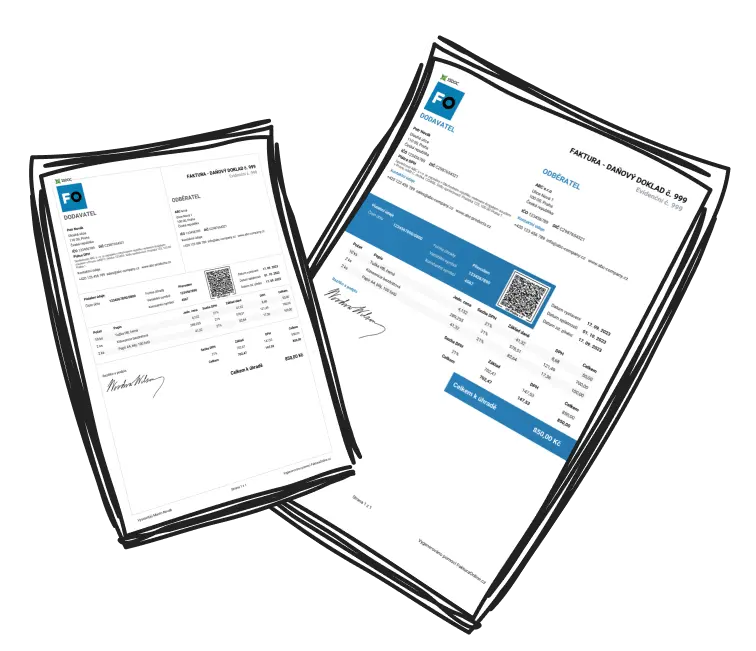
5 Invoicing Mistakes Common in Word Templates
Five invoicing mistakes frequently encountered in Word templates include:
-
Inaccurate Calculations in Word Templates - Since Word does not automate calculations, manual errors can often occur.
Tip: Double-check numbers or use Excel for calculations.
-
Inconsistent Formatting in Word Templates - Variations in font size and style can make your invoices appear unprofessional.
Tip: Use Word's style tools for consistent formatting.
-
Missing or Incorrect Information in Word Templates - Omissions like invoice numbers or incorrect client details can delay payments.
Example: Always include a checklist for essential details.
-
Failure to Include Payment Terms in Word Templates - Not specifying due dates or late fees in your Word invoices can lead to disputes.
Tip: Highlight payment terms to ensure clarity.
-
Lack of Professional Appearance in Word Templates - Non-professional layouts can affect your business credibility.
Example: Incorporate your company logo and use clean, branded designs.
By addressing these common issues in Word templates, businesses can improve invoice accuracy and presentation. In real-world applications, some companies might face unique challenges that require customized solutions or even more advanced invoicing tools beyond Word templates.