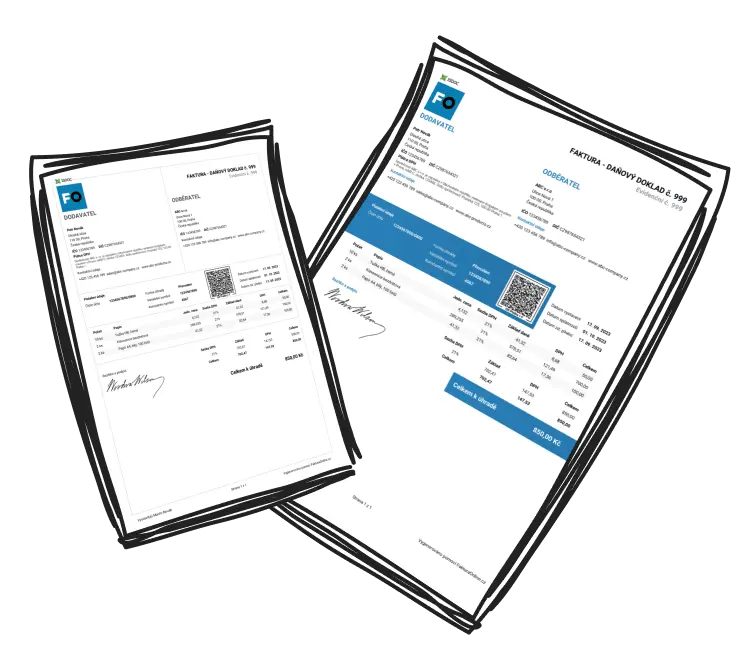
Are you numbering your invoices correctly?

Why Invoice Numbering Matters
While U.S. law doesn’t prescribe a format, every invoice must include a unique identifier and logical sequence. Missing or duplicate numbers make it harder to track transactions.
Following a consistent pattern shows professionalism and builds audit trust.
Basic Rules for Numbering
Each invoice should have a distinct number, easy to trace and not repeated.
Recommended practices:
Sequential numbering (no skipped or reused numbers).
Consistency across your business.
Structured format, e.g. 2025-03-001.
Clear numbering helps with faster searches and smoother audits.

Frequent Errors
Deleting or changing numbers on sent invoices.
Using multiple systems without clear logic.
Leaving gaps or duplicates in your sequence.
Every issued invoice must stay recorded—even canceled ones.
Fixing Numbering Errors
If the error appears before sending, cancel and reissue the invoice.
If already sent:
Issue a credit note or correction.
Create a new invoice with the next number.
Record the reason in your internal log.

2025-01-001 → 2025-01-002 → (skip 003) → 2025-01-004.
Automated Numbering with InvoiceOnline.com
Automation avoids human errors, duplicates, and gaps.
Start a custom sequence (e.g. 2025-06-001)—the next will follow automatically.

Keep It Simple
Start new series each fiscal year.
Use year or month in numbers.
Regularly check for gaps or repeats.

Learn the key invoicing rules every U.S. business should follow to stay compliant, organised, and error-free in our article.
documents with easeCreate Document