Understanding Cash Flow: The Importance of Early Invoicing
Share on:
Understanding Cash Flow: The Importance of Early Invoicing

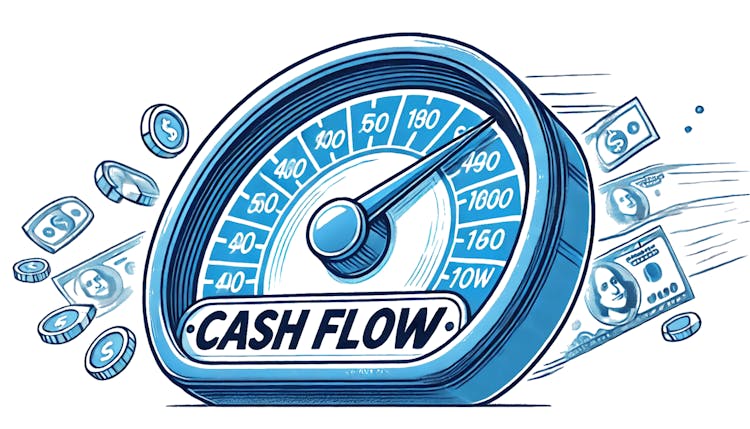
Early invoicing is a cornerstone of effective cash flow management because it accelerates cash inflow, enhances liquidity, reduces Days Sales Outstanding (DSO), and facilitates accurate financial planning. By issuing invoices promptly post-service or product delivery, businesses ensure continuous cash flow management, which is crucial for covering operational expenses and exploring growth opportunities. Maintaining strong client relationships is another benefit of early invoicing as it sets clear payment expectations and reduces administrative bottlenecks through a streamlined invoicing process.

Tip: To maximize benefits, ensure invoices are clear and detailed to prevent payment delays.

While implementing early invoicing can substantially improve cash flow management, its effectiveness and real-world application can vary depending on industry-specific practices and client behaviors.
Related articles

Paper vs. Electronic Invoices: Pros, Cons and the Law
10/17/2026

In the US, a paper invoice and an electronic one carry the same legal weight. What differs is cost, speed and storage. Here is what federal law and the IRS require, how long to keep your invoices and which format makes more sense for a small business or freelancer.

E-Invoicing in the US: What It Is and How It Works
10/13/2026

E-invoicing means sending invoice data as a structured file that your customer's software reads automatically. The US has no federal B2B mandate, but federal agencies, large customers and IRS record-keeping rules all shape how it works in practice. Here is what you need to know.

Future of Invoicing: What US Small Businesses Should Know
10/11/2026

There is no US e-invoicing mandate, but invoicing is changing anyway. New 1099 thresholds apply from 2026, the federal government has dropped paper checks and large customers want structured invoices. Here is what it means for your business.