Understanding the 4 Main Types of Business Sectors
What Are the 4 Types of Business Sectors?
The economy is divided into the 4 main types of business sectors, each representing important stages of production, service, and innovation. These sectors have unique roles in the global marketplace, aiding the organization of businesses and industries.
Primary Sector: Focuses on harvesting natural resources.
Secondary Sector: Involved in manufacturing and processing.
Tertiary Sector: Focuses on providing services.
Quaternary Sector: Specializes in knowledge and innovation.
Can You Explain the 4 Types of Business Sectors?
Primary Sector
As one of the 4 types of business sectors, the primary sector is crucial for this role, focusing on the extraction of natural resources. This sector includes activities like farming, fishing, mining, and forestry, fueling other industries like food production and construction.

Tip
Think of the primary sector as the source of raw inputs like wheat for bread or metals for manufacturing.
Secondary Sector
As a key component of the 4 types of business sectors, the secondary sector focuses on transforming raw materials into finished goods or intermediate products. This sector includes industries such as construction, manufacturing, and machinery production, with steel from the primary sector being used in cars or buildings, thereby adding economic value.
Tip
Picture factories turning timber into furniture or oil into fuel.
Tertiary Sector
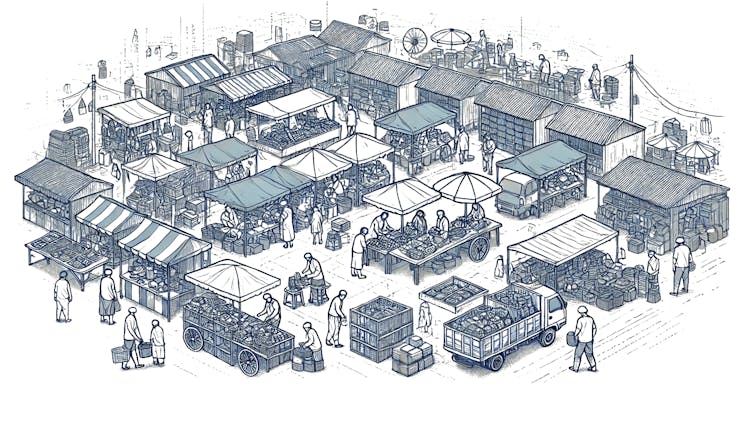
Distinguished as one of the 4 types of business sectors, the tertiary sector focuses on services instead of goods. It covers businesses such as retail, healthcare, education, entertainment, and logistics. This sector bridges the gap between producers and consumers by offering experiences or delivering goods.
Tip
Envision this sector as the bridge between industries and customers, focusing on quality and convenience.
Quaternary Sector
Among the 4 types of business sectors, the quaternary sector is defined by its focus on knowledge-based activities like research, IT, education, innovation, and consultancy. It emphasizes expertise and technological advancements that propel other sectors forward.
Tip
The quaternary sector is where science meets innovation, creating smarter ways to operate businesses.
What Distinguishes the 4 Types of Business Sectors?
What sets apart the 4 types of business sectors is their distinct roles within the economy, defined by unique focuses and contributions.
Primary Sector: Collects raw materials, like crops or minerals, directly from nature.
Secondary Sector: Turns raw materials into usable or finished products.
Tertiary Sector: Provides services that connect producers to end consumers.
Quaternary Sector: Focuses on knowledge, innovation, and advancements to improve economy-wide efficiency.
Each sector contributes uniquely to economic growth, with the primary sector as the foundation and the quaternary sector as a driver for future innovations.
Why Is Understanding the 4 Main Types of Business Sectors Important?
Understanding the 4 main types of business sectors offers valuable insights into how economies operate and grow. This knowledge assists businesses and individuals in making informed decisions about where to focus investments or career planning. By analyzing these sectors, policymakers can design strategies to enhance economic performance and ensure sustainable growth.
Tip
For students or job seekers, understanding the sectors can guide career decisions by aligning specific skills with the right industries.
How Do the 4 Types of Business Sectors Function?
The 4 types of business sectors function together, creating a continuous cycle of development, production, and innovation.
Primary Sector: Supplies raw materials (e.g., crops for manufacturing or metals for production).
Secondary Sector: Processes these materials into finished goods like vehicles or appliances.
Tertiary Sector: Distributes products and provides services, ensuring goods reach consumers effectively.
Quaternary Sector: Innovates through research and technology, improving processes in all other sectors.
Flowchart of Sector Interaction:
Primary → Secondary → Tertiary → Quaternary
Together, the 4 types of business sectors form interconnected systems that are vital for economic stability and progress.
