Using artificial intelligence as a business consultant- decision making
Key Factors Before Starting a Business
Before launching any business, it’s crucial to carefully think through several areas that form the foundation of success.
-
Business Plan
The backbone of every business is a well-structured business plan. It should include your strategy, target market, competitive analysis, marketing plan, and financial projections.
💡 AI can now help you outline the plan’s structure, create a SWOT analysis, or simulate cash flow under different scenarios.
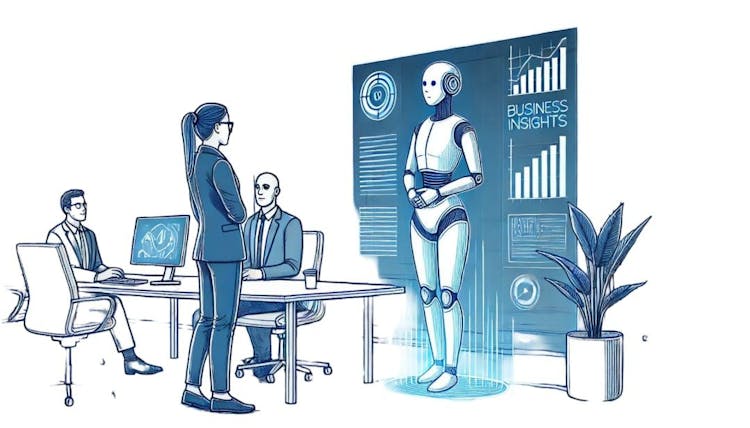
Without data, there’s no real planning. Artificial intelligence can act as an analyst — estimating demand, testing pricing strategies, and identifying weak spots before the business even opens.
-
Financing
Every new venture requires capital — for equipment, inventory, marketing, and operating costs. Decide whether you’ll use personal savings, loans, or investors.
💡 With AI tools, you can model financial scenarios, compare funding options, and estimate the payback period.
-
Location and Target Market
The location of your business has a major impact on success. Consider demographics, accessibility, competition, and purchasing power.
💡 AI-powered analytics tools can help evaluate the ideal location or compare the attractiveness of different neighborhoods based on data about local foot traffic and customer preferences.

What a Basic Business Plan Should Include
Executive summary
Market and competition analysis
Marketing strategy
Cost and revenue estimates
Financial projections and scenarios
Growth plan and contingency strategy
-
Employees and Suppliers
Find reliable people and partners. A store with Italian groceries and a café, for example, needs a team with food-service experience and verified suppliers of quality products.
💡 AI can assist in recruitment (e.g., resume analysis) and in selecting suppliers based on reviews and pricing trends.
-
Licenses, Regulations, and Insurance
Find out which permits you need — from health department approvals to business licenses. Don’t forget about insurance for property, liability, or employees.
Digital Presence and Online Strategy
Even a local business needs a solid digital foundation today.
Create a website and Google Business profile
Consider activity on social media
Manage reviews and your online reputation
Use online ads targeting nearby audiences
💡 AI tools can generate website content, design ad campaigns, and evaluate marketing results.

Businesses often underestimate data security and online reputation. Once you start collecting emails or reviews, you must comply with data protection rules (like GDPR) and secure your customers’ personal data.
Sustainability and Business Ethics
Customers increasingly pay attention to where products come from and how they’re made.
Choose eco-friendly packaging and local suppliers
Reduce waste and save energy
Communicate your values openly — it becomes part of your brand
💡 AI can help monitor the carbon footprint of suppliers and design more efficient logistics.

Sharing stories about your products’ origins on social media pays off. Authenticity and transparency build trust and attract loyal customers.
Beware of Hidden Costs
Every entrepreneur eventually encounters unplanned expenses. The most common include:
Equipment maintenance and repairs
Fluctuating raw material prices
Increased insurance or taxes
Additional employee training
Rising marketing or licensing costs
💡 AI can model risk probabilities and prepare backup financial scenarios.
Common Mistakes Entrepreneurs Make
Underestimating time demands — managing a store or café is a full-time job
Complex supply chains — tracking inventory and expiration dates requires a system
Neglecting marketing — customers won’t just show up on their own
Ignoring legal and tax obligations — they change with new regulations
Lack of networking — local communities can be key to success
Not reinvesting profits — growth always requires reinvestment
💡 AI can help track inventory, forecast sales, and automate customer communication.

Real-Life Example
A café owner in Brno used an AI tool to estimate customer footfall. By analyzing data on weather and seasonality, he adjusted his opening hours and product selection. The result? A 18% increase in revenue within three months.
Summary
The success of a new business depends not only on a good idea but also on thoughtful preparation, adaptability, and openness to new tools. Today, artificial intelligence gives entrepreneurs access to insights and analytics that were once available only to large corporations.