Choosing Between Self-Employment and Freelancing: A Comprehensive Guide for the Modern Side Hustler
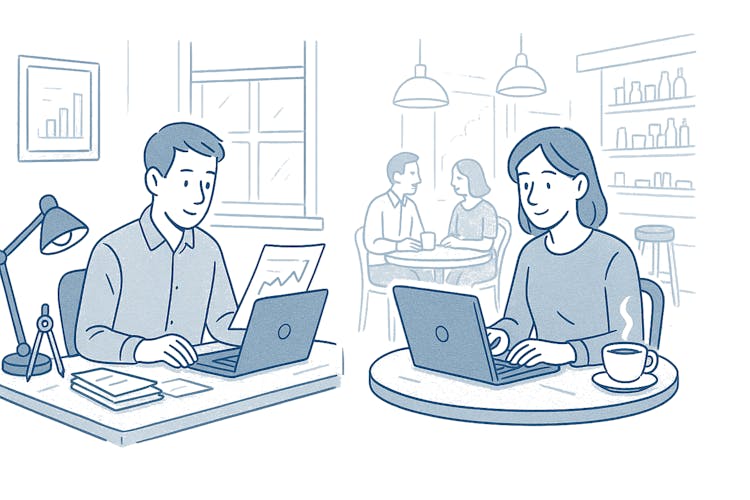
The gig economy has opened doors for countless individuals to pursue side hustles, offering freedom, creativity, and financial empowerment. Yet, choosing between being self-employed and freelancing presents its own set of opportunities and challenges.
For the modern side hustler, understanding the distinction between these paths is not just semantics. The choice impacts your time, income, and ability to reach your personal goals. This guide will walk you through the differences, benefits, and decision-making process to help you choose the ideal path for your hustle.
Understanding the Basics
What Is Self-Employment and What Is Freelancing?
Understanding the foundation is key. Here are the differences:
-
Self-Employment: Broad category that includes anyone working for themselves, such as small business owners, consultants, or independent contractors.
Example: A boutique owner managing employees and operating a business structure.
-
Freelancing: A subset of self-employment, focused on project-based or contract work for multiple clients.
Example: A graphic designer offering services to agencies without managing a larger business infrastructure.
Freelancing is typically more client-driven and project-based, while being self-employed can involve building a scalable business with long-term operations.
Is Freelancing a Type of Self-Employment?
Yes—freelancing is a form of self-employment. Freelancers are independent contractors responsible for finding clients, managing projects, and handling finances. However, most freelancers focus on delivering expertise per contract, while other self-employed individuals often manage broader business structures like employing staff or building long-term brands.

Freelancers focus on invoicing for projects, while small business owners juggle broader business management challenges.
Benefits Comparison
Benefits of Being Self-Employed vs. Freelancing
Each path offers unique advantages depending on your priorities and ambitions:
-
Self-Employment:
Scalability: Build a business, earn recurring revenue, and expand beyond personal contributions.
Brand Building: Create and grow something larger than yourself.
Long-Term Stability: As systems and structures settle, income becomes more predictable.
-
Freelancing:
Flexibility: Set your work hours and workload.
Low Entry Barriers: Start with minimal upfront investment—no storefronts or employees required.
Variety: Work on diverse projects based on your interests and skills.
When comparing self-employed vs freelance benefits, self-employment offers growth and scalability, whereas freelancing is known for its flexibility and lower entry barriers.
Self-employment offers growth opportunities, while freelancing prioritizes flexibility and ease of entry.
Decision-Making for Side Hustlers
Which Is Better for Side Hustlers: Self-Employed or Freelance?
Choosing between self-employment and freelancing depends on where you are in your journey:
-
Choose Freelancing If:
You value flexibility and enjoy project-based work.
You prefer testing the waters without large upfront commitments.
Time is limited due to a primary job or other priorities.
-
Choose Self-Employment If:
You aim to build a long-term, scalable business.
You’re ready to dedicate resources and handle additional responsibilities.
You want to focus on brand building and creating passive revenue streams.

Decision-Making Tip
Reflect on your goals. If you’re new to side hustling, freelancing may offer the perfect stepping stone, while self-employment can better suit those ready to establish a legacy.
Embrace Your Ideal Path and Start Hustling
Every side hustle begins with a single choice: deciding between the self-employed vs freelance route. Both freelancing and self-employment come with exciting opportunities and challenges—but neither is set in stone.
Take time to evaluate your priorities and ambitions, and remember that you can always pivot. The sooner you start, the sooner you’ll grow your hustle.
