Dropshipping vs E-Commerce: Which Business Model Is Right for You?
What Are Dropshipping and E-Commerce?
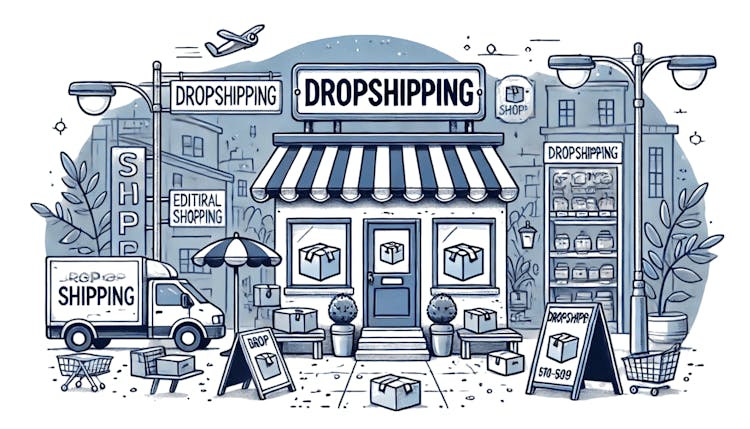
Many people often confuse the concept of dropshipping vs e commerce. Here, we clarify the primary distinctions and details of each business model. Dropshipping is a retail fulfillment model where the retailer acts as a conduit without holding inventory. Instead, when a customer places an order, the retailer forwards it to a supplier who ships the product directly to the customer. The retailer focuses on marketing and sales while outsourcing logistics. E-Commerce, on the other hand, involves sellers purchasing, storing, and managing their own inventory. They handle logistics like packaging and shipping, which offers them greater control over delivery and quality.
Key Differences:
Aspect |
Dropshipping |
E-Commerce |
|---|---|---|
Inventory |
Managed by suppliers |
Managed by the seller |
Startup Costs |
Low |
High |
Control |
Minimal (dependent on suppliers) |
Complete (branding and customer experience) |
Scalability |
Easier but higher competition |
Long-term, better brand building potential |
How Does Dropshipping vs E-Commerce Work?
Which system—dropshipping or e commerce—best aligns with your business aspirations?
Dropshipping Workflow:
Choose a supplier from platforms like AliExpress or Spocket.
Create an online store using tools like Shopify.
List products and promote.
Supplier fulfills orders directly for your customers.
This model eliminates the need for storing or handling products, but you depend on suppliers for quality and availability.
E-Commerce Workflow:
Select and purchase products in bulk upfront.
Store inventory in your warehouse or use fulfillment services like Amazon FBA.
Manage packaging, shipping, and returns directly or via shipping services like FedEx.
Although more resource-intensive, this provides full control over the branding and customer experience. ---
Pros and Cons of Dropshipping vs E-Commerce
By understanding dropshipping vs e commerce, you can weigh the pros and cons to determine which aligns with your vision.
Dropshipping
Pros:
Low startup cost and risk.
No storage or inventory requirements.
Easy to switch or add products.
Cons:
Slim profit margins.
Limited quality and shipping control.
Dependency on third-party suppliers.
E-Commerce
Pros:
Potential for higher profit margins.
Full control over quality and branding.
Better customer loyalty through personalization.
Cons:
High initial cost and financial risk.
Time-consuming logistics management.
Which Is More Profitable: Dropshipping or E-Commerce?
Is your primary goal profitability? Compare dropshipping vs e-commerce to discover which model best suits this aim. Dropshipping can be profitable for entrepreneurs who excel at marketing cost-effective, trending products at volume. However, profit margins tend to be lower (10-30%) due to reliance on supplier pricing. E-commerce, while more capital-intensive, offers higher margins (30-60%) because of direct bulk purchasing and branding control. Sellers can upsell, bundle products, and build brand loyalty for long-term financial gains.

Example Scenario
- Dropshipping: Sell 100 items with 15% profit margin = $1,500.
- E-Commerce: Sell 50 items with 50% profit margin = $2,500.
How to Choose Between Dropshipping and E-Commerce For Your Business
Still on the fence about dropshipping vs e commerce? Use this step-by-step guide to clarify which path fits your needs:
Assess your budget: Do you have funds for bulk inventory, or prefer low-risk investing?
Evaluate your time: Can you manage inventory and logistics, or prefer an automated model?
Prioritize control: Do you want complete branding and customer experience supervision?
Clarify your goals: Are you seeking short-term experimentation or long-term stability?
Identify your target audience: Does your customer base demand fast shipping or customized products?

Quick Questions to Ask Yourself
- What is your initial investment budget?
- Do you prefer automation or hands-on management?
- Are you focused on brand building or quick results?
documents with easeCreate Document