Solopreneur vs Entrepreneur: Understanding the Key Differences
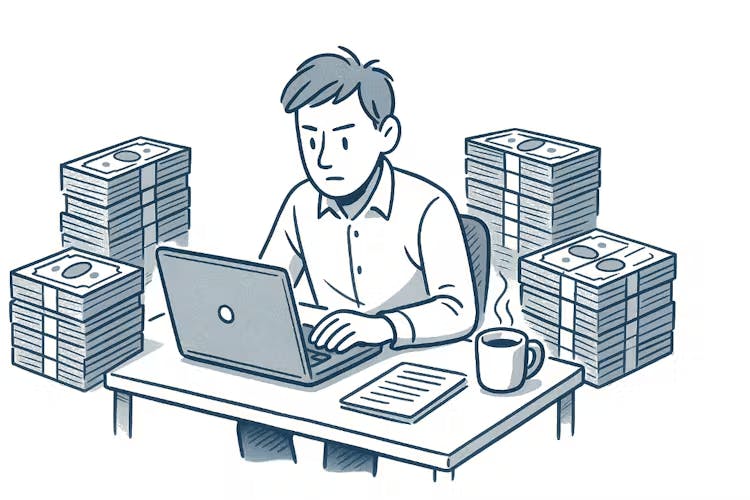
Understanding the key differences between a solopreneur and an entrepreneur can effectively guide career decisions.
A solopreneur is an independent professional who manages their entire business alone, taking care of every operational detail without building a team. They typically focus on providing a specific service or creating personal products.
Entrepreneurs, on the other hand, build businesses that are designed to grow. They lead teams and develop systems so their enterprises can operate and scale without constant hands-on involvement. Entrepreneurs are often driven by long-term goals like market innovation and financial success.
The key distinction lies in the "solo" nature of a solopreneur’s work compared to the "team-building" and scalable vision of an entrepreneur.
How Does a Solopreneur Operate Differently from an Entrepreneur?
Solopreneurs and entrepreneurs manage businesses distinctly, showcasing the fundamental differences between a solopreneur and an entrepreneur in their operational strategies.
Operational Strategies:
Aspect |
Solopreneur |
Entrepreneur |
|---|---|---|
Independence |
Manages all tasks alone, seeking full control |
Leverages teamwork to delegate and grow |
Focus |
Prioritizes manageable workloads and autonomy |
Focuses on scaling and efficiency |
Resource Utilization |
Uses tools like automation without a team |
Builds teams and secures significant funding |
What Are the Key Characteristics of a Solopreneur?
Discover the key characteristics that set a solopreneur apart and determine if you embody these traits.
Independence and Self-Reliance
Solopreneurs thrive on autonomy, making decisions independently without relying on a team.Resourcefulness
They excel at creative problem-solving, often using limited tools to streamline operations.Passion for Their Niche
Solopreneurs typically have a deep love for their craft, which drives them to maintain high standards.Preference for Control
They value direct oversight over their business and avoid delegating tasks.Sustainable Workloads
Solopreneurs focus on building businesses that are manageable and aligned with their desired work-life balance.

Tip
These traits are beneficial for creating a business built around high personal freedom and purposeful work.
What Are the Primary Goals of an Entrepreneur?
Discover the primary goals and ambitions that differentiate entrepreneurs from solopreneurs.
Entrepreneurs aim to build scalable, profitable ventures that can grow independently of their direct involvement. Their key goals include driving innovation, creating systems and teams to execute their vision, and expanding their market presence.

Example
An entrepreneur might start with a small product idea, secure funding, hire a team, and expand the business into national or international markets. In addition to financial growth, entrepreneurs are often driven to leave a lasting impact on their industry, shaping the future of how businesses operate.
Are There Any Challenges Specific to Solopreneurs Versus Entrepreneurs?
Solopreneurs and entrepreneurs encounter distinct challenges, spotlighting the significant differences between them.
Solopreneurs:
Burnout Risk – Managing all operations without support can take a mental and physical toll.
Scaling Limitations – Their income is tied to personal capacity, limiting growth without external help.
Lack of Support System – Without a team, solopreneurs face isolation and lack backup during challenges.
Entrepreneurs:
Challenges in Delegating – Managing and trusting a team can be difficult, especially for new leaders.
Financial Risks – Scaling often requires large investments, making cash flow and profitability critical.
Team Management Complexities – Entrepreneurs must navigate team dynamics and maintain a strong work culture.

Solopreneurs are particularly vulnerable to burnout, while entrepreneurs face greater financial exposure when scaling their businesses.
Solopreneur vs Entrepreneur: Which Path Is Right for You?
Unsure which path suits you? Let’s help you decide.
The decision of whether to pursue solopreneurship or entrepreneurship hinges on personal goals, values, and traits, emphasizing the differences between these paths.
Do you prefer working independently or leading a team?
Are you more focused on crafting a small, manageable business or building something with the potential to rapidly expand?
What is your risk tolerance, and how comfortable are you with delegating tasks?
Tip
Consider your strengths and ambitions to determine whether the independence of solopreneurship or the scalability of entrepreneurship aligns with your vision.
documents with easeCreate Document