Mastering the Art of Step-by-Step Guides: How to Create Effective Instructions
Creating effective instructions requires careful planning to meet user needs. Here are the steps on how to ensure clarity and precision:
Define the Objective: Clearly outline what the user should accomplish by the end of the instructions.
Understand Your Audience: Consider the user’s knowledge level, familiarity with the task, and cultural or linguistic background.
Break Down the Task: Divide the task into manageable, sequential steps that are easy to follow.
Use Action-Oriented Language: Begin each step with verbs like “cut,” “attach,” or “enter.”
Include Contextual Details: Provide necessary prerequisites, tools, or materials upfront.
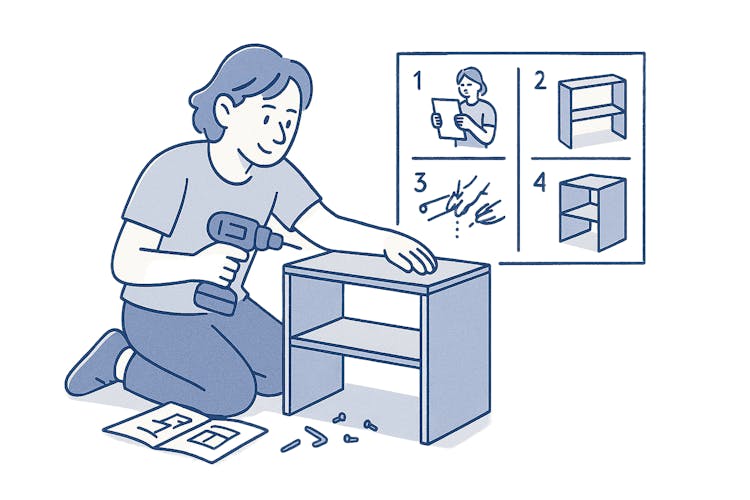
Incorporate Visual Aids: Use diagrams, photos, or videos to accompany complex or physical tasks.
Test Your Instructions: Have someone unfamiliar with the task follow your steps and offer feedback.

Tip:
Understanding your audience is critical. Tailor the complexity of your instructions to their knowledge level—beginner-friendly for new users and more concise for advanced individuals.
How Can I Write Steps on How to Achieve a Specific Goal?
Writing steps on how to achieve a specific goal ensures users stay on track. Start by focusing on the end goal and reverse-engineer it into small, actionable steps.
Reframe the Goal: Break the outcome into stages. For instance, shift “assembling a bookshelf” into steps like “prepare tools,” “attach sides,” and “secure back panel.”
Sequence Logically: Align steps in their natural order. Always number them chronologically.
Keep It Clear: Focus only on essential details and avoid overwhelming the audience with unnecessary information.
Be Precise and Actionable: Use language that directly tells the reader what to do, such as “tighten screws with the wrench.”

Writing Goal-Specific Instructions
Goal: Baking a cake.
Steps:
- Gather ingredients like eggs, flour, and butter.
- Preheat the oven to 350°F.
- Mix ingredients in a bowl until smooth.
- Pour batter into a greased pan and bake for 30 minutes.
What Steps on How to Organize Instructions Make Them More User-Friendly?
Organizing instructions effectively improves clarity and flow, ensuring users can follow without confusion. Use these steps on how to make them more user-friendly with practical strategies:
Start with an Overview: Provide context, purpose, and required tools or materials before diving into steps.
Use Clear Structure: Headings, subheadings, and white spaces make content visually approachable. For instance, group sections like “Preparation” and “Assembly.”
Number Each Step: Sequential numbering ensures users can track progress.
Create Checkpoints: Include progress markers like “At this stage, the frame should look like a square.”
Incorporate Visuals: Place diagrams or images adjacent to their respective steps for ease of reference.
Dividing instructions into clear sections and numbering steps helps users navigate tasks without feeling overwhelmed—especially important for novice audiences.
Can You Explain Steps on How to Break Down Complex Tasks Clearly?
Follow these steps on how to break down complex tasks clearly, as breaking them into smaller parts simplifies the process and enhances user comprehension.
Identify Sub-Tasks: Break the entire task into subprocesses (e.g., for baking a cake: preparing ingredients, mixing, baking, decorating).
Group Related Steps: Organize smaller steps into logical phases to instill structure.
Write Specific Instructions: Each step should focus on one action—short and actionable.
Add Visual References: Use diagrams or flowcharts to explain intricate steps better than words.
Pilot-Test the Steps: Have a new user review the instructions to uncover gaps or confusing parts.
Breaking Down a Complex Task
Task: Installing new software.
Steps:
- Download the program file from the given link.
- Open the installer and click “Next.”
- Agree to the terms and conditions.
- Choose the installation directory.
- Click “Install” and wait for the process to complete.
What Are the Best Practices for Steps on How to Make Instructions Easy to Follow?
Here are the best steps on how to make instructions easy to follow, using proven strategies to craft guides that are both practical and accessible:
Start with Action Verbs: Each step should open with a verb. For example, “Turn on the device” or “Insert the screws.”
Use Visuals: Include relevant diagrams, screenshots, or photos that visually guide users through complex steps.
Avoid Technical Jargon: Use simple, familiar language that all users can understand. Define technical terms if unavoidable.
Focus on One Action Per Step: This prevents confusion and ensures each instruction is digestible.
Use Consistent Formatting: Stick to a predictable format, such as numbered lists, bullet points, or phases.
Iterative Testing: Regularly test the instructions with others, revising ambiguous steps for improvement.
Offer Feedback Points: Include cues like “The assembled item should snap into place firmly,” so users can evaluate progress.
Tip:
Action verbs like “align,” “click,” or “select” immediately communicate what to do. They lend a sense of direction and urgency to instructions.

Avoid Overloading Information
Adding too many details or technical terms can overwhelm beginners. Keep instructions concise while reserving detailed explanations for advanced users or appendices.
By following these structured techniques and best practices, you can create step-by-step guides that are not only effective but also empower users to accomplish their goals with ease.
documents with easeCreate Document