Can Micro-Breaks Make You More Productive? Science-Backed Insights
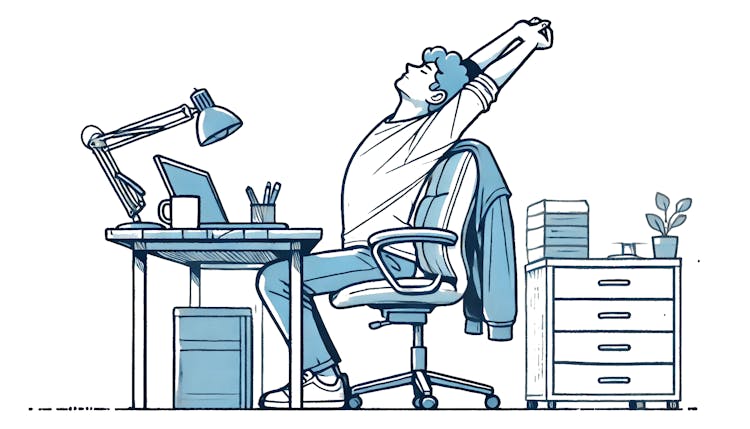
Micro-breaks are short, intentional pauses lasting between 30 seconds and five minutes, designed to boost productivity by replenishing mental clarity and reducing fatigue without disrupting workflow. Examples include stretching, deep breathing, grabbing water, or taking a moment to gaze out the window. Such activities significantly enhance focus and alleviate strain, key components of productive work habits.
How Can Micro-Breaks Make You More Productive?
Working for long periods without breaks can deplete focus and energy, impacting productivity negatively. By integrating micro-breaks into your day, you can boost both mental and physical energy. These pauses prevent cognitive overload, improve decision-making skills, and enhance attention to detail, leading to better productivity.
Imagine tackling a tough project: stepping away for a quick walk or standing stretch allows your mind to reset, making it easier to spot mistakes or think creatively when you return. Over time, routines that include micro-breaks help reduce workplace stressors, keeping productivity and enthusiasm high throughout the day.
How Do Micro-Breaks Affect Productivity?
Micro-breaks serve as refreshing pauses that rejuvenate both the brain and body, promoting smarter work strategies. While prolonged focus drains mental energy, these brief breaks act like a "reset button," enabling the brain to recover and refocus, thereby enhancing overall productivity.

Studies indicate that even a 5-minute break can boost concentration by 17%.
Additionally, physical movement during breaks improves blood circulation, reducing discomfort caused by sitting for extended hours. These factors contribute to better memory retention, faster problem-solving, and higher work output.
What Are the Science-Backed Insights on Micro-Breaks?
Scientific research strongly supports the role of micro-breaks in enhancing productivity and well-being:
Pomodoro Technique: Research supports taking a 5-minute break every 25 minutes, a technique proven to maintain focus.
Reduce Stress: Studies show that short breaks lower cortisol levels, which helps reduce stress.
Better Memory: Research highlights that brief pauses boost working memory, supporting long-term cognitive performance.
Improved Problem-Solving: Taking consistent short breaks makes it easier to approach complex problems with fresh insight.

Follow the '20-20-20 rule': Every 20 minutes, look at something 20 feet away for 20 seconds to combat eye strain caused by screens.
The Relationship Between Micro-Breaks and Work Efficiency
Integrating micro-breaks into your routine fosters healthier work habits, preventing burnout while maintaining a balanced workflow. These pauses blend focused work with necessary recovery, enabling sustained effort. For instance, a 90-second stretch can ease muscle discomfort and enhance circulation, boosting work efficiency.
Create a pattern for micro-breaks: Schedule a 3- to 5-minute pause after every 45–60 minutes of work. This sustainable rhythm keeps productivity consistent without sacrificing quality.
By strategically using micro-breaks, you can work at peak productivity while protecting your mental and physical health. Why not try adding intentional pauses to your routine starting today?
documents with easeCreate Document