Discrimination vs. Favoritism: Understanding Workplace Dynamics
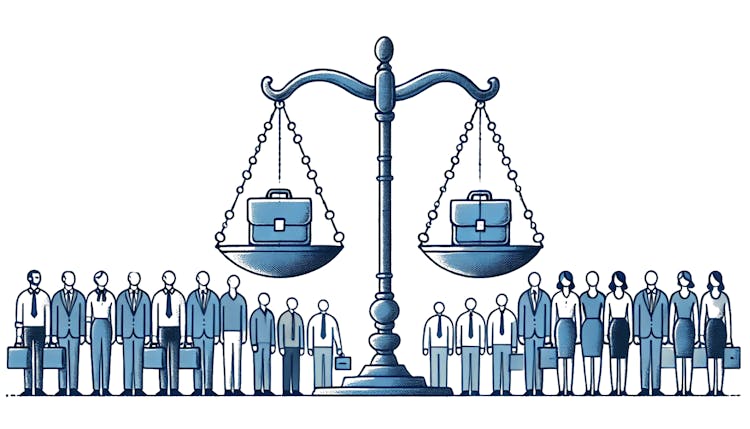
Discrimination or favouritism at work presents as unfair treatment: discrimination arises from inherent characteristics like race or gender, while favouritism is rooted in personal biases or relationships. Solutions to these problems include recognising their presence, establishing clear policies, encouraging open communication and building an inclusive culture, but for lasting change, it is essential to understanding the psychological impacts and interconnected dynamics.
Understanding the difference between discrimination and favouritism in the workplace
Recognizing discrimination or favouritism at work is crucial. Discrimination involves negative treatment due to characteristics like race, gender, or age. It is deeply rooted in policies and practices and to overcome it requires strategic interventions. On the other hand, favouritism, although it is more subtle, involves preferential treatment based on personal relationships or prejudice, not merit or performance.
Example: Discrimination may manifest itself in the fact that a qualified employee is rejected for promotion in favour of someone less qualified because of gender bias. Favoritism can manifest itself when a manager selects a friend for a desired project and bypasses equally or more qualified team members.
Understanding both concepts allows you to better recognize and counter them. When you notice patterns or repeated behaviors that indicate collusion, consider whether they are systemic (indicating discrimination) or individual (indicating favouritism). To have conversations about fairness in the workplace approached with concrete evidence and clear goals to improve communication and understanding between employees and management.
Identifying psychological impacts
Facing discrimination or favouritism at work often leads to increased stress, anxiety, reduced job satisfaction and can damage self-esteem. Employees can feel isolated and unappreciated, which in turn can affect their mental and physical wellbeing.
Example: When employees were consistently overlooked for favoritism, team dynamics broke down, resulting in a decrease in productivity and morale.
Depression and anxiety about perceived injustice.
Decreased motivation and job satisfaction.
Disruption of trust and teamwork.
Long-term mental health problems.
Addressing both favouritism and discrimination involves fostering an environment of emotional intelligence. Creating a space for employees to openly discuss issues without fear of reprisal can help identify problems early before they escalate. Emotional intelligence can also help to understand and mitigate reactions to workplace stressors and improve individual and team dynamics.
Measures against discriminatory and favouritism practices
Overcoming discrimination or favouritism at work involves strategic changes in organizational policies. Here are actionable steps to deal with discrimination and favouritism:
Develop clear rules: Establish clear guidelines that clearly define unacceptable behavior, reinforced by regular training programs.
Tip: Ensure that these policies are regularly reviewed and updated to reflect new dynamics and knowledge in the workplace.
Invest in workshops and seminars that not only focus on skills but also cover topics such as implicit bias and emotional intelligence.
Encourage a culture of feedback: Create multiple channels for anonymous and open feedback to understand the undercurrents of employee sentiment.
Tip: Use feedback as a constructive tool to develop action plans and create pathways for improvement.
Encourage open communication: create an environment where dialogue is encouraged and embraced at all levels of the organization.
Example: Regular town hall meetings where employees can express their concerns, ensuring that everyone is included in conversations about organizational culture.
Building an inclusive culture
Developing an inclusive culture can greatly reduce instances of discrimination or favouritism at work. Involve employees in creating an organisational culture in which diversity, equity and inclusion are at the forefront. Encourage practices that celebrate diverse backgrounds and contributions.
Regular workshops on diversity and inclusion.
Incentives for teamwork and collaborative projects.
Transparent decision-making processes.
Ongoing training on inclusive practices.
Tip: Regularly evaluate the effectiveness of inclusive initiatives through surveys and feedback so that you can adjust strategies over time.
Implementing these strategies requires commitment at all levels of the organization. By recognizing and addressing discrimination and favoritism, the workplace can evolve into a more dynamic, effective and harmonious environment for all employees.
documents with easeCreate Document