Understanding Junior vs Senior Levels in the Workplace: Key Differences and Career Growth
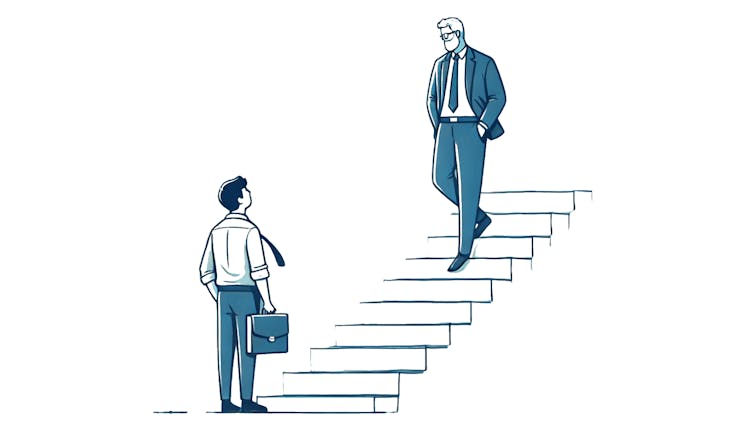
What Are the Key Differences Between Junior and Senior Levels in the Workplace?
Understand where you sit on the organizational ladder and how your responsibilities compare beyond the job title.
Roles at the junior and senior levels vary significantly in terms of experience, responsibilities, and decision-making authority. Junior employees, new to the field, focus on learning and completing tasks under supervision. Their tasks are operational or tactical, emphasizing skill-building and following directions.
Conversely, professionals at senior levels utilize their extensive experience to manage complex tasks, provide strategic input, and mentor juniors. They function with autonomy, influence organizational decisions, and align efforts with broader company goals. While juniors execute processes, seniors strategize, problem-solve, and lead innovation efforts.
Comparison Chart
Aspect |
Junior Employees |
Senior Employees |
|---|---|---|
Experience |
Limited, focused on learning |
Extensive, domain expertise |
Roles |
Tactical, supervised |
Strategic, autonomous |
Responsibilities |
Task execution |
Decision-making, mentoring |
How Do Junior and Senior Levels Impact Career Growth?
Learn how climbing through these levels can shape your future career trajectory and personal growth.
Junior positions are valuable for building foundational skills and gaining exposure to various aspects of a field. For instance, a Trainee Developer starts by learning coding frameworks under guidance. Over time, these skills open doors to advanced roles.
Roles defined at senior levels offer more opportunities to refine expertise, lead projects, and influence organizational strategies. For example, transitioning into a Team Leader role involves managing people and overseeing projects, which enhances visibility and career impact. Both levels pave the way for personal growth and increased earning potential.
What Essential Skills Are Required for Transitioning from Junior to Senior Levels?
Discover how you can stand out and prepare for the next big step in your career.
Achieving a senior-level role requires mastering a mix of technical, interpersonal, and leadership skills.
Technical Expertise: Mastering advanced concepts in your field.
Leadership Skills: Guiding and mentoring junior colleagues.
Communication: Presenting ideas clearly and influencing decisions.
Problem-Solving: Tackling challenges creatively and efficiently.
Emotional Intelligence: Fostering collaboration through empathy and adaptability.
Strategic Thinking: Aligning work with organizational visions.
Adaptability: Managing ambiguity and embracing change.

Tip
Build these skills by enrolling in online leadership courses or seeking mentorship programs within your organization.
How Are Responsibilities Divided Between Junior and Senior Levels?
Uncover how responsibilities within teams are structured for productivity and collaboration.
Junior employees at initial levels manage defined tasks like data collection, implementing processes, and ensuring accuracy under supervision. They focus on operational efficiency while growing their technical expertise.
Senior professionals, meanwhile, oversee broader responsibilities such as team management, strategic planning, and high-stakes decision-making. They act as intermediaries between leadership and the team, translating strategies into actionable steps while delegating day-to-day tasks to juniors.

Example
A senior marketing manager may delegate social media post preparation to a junior marketer while focusing on campaign strategy, analyzing metrics, and presenting results to stakeholders.
What Challenges Do Professionals Face at Junior and Senior Levels?
Discover strategies to effectively navigate challenges at both junior and senior levels in your career.
Challenges for Juniors
Adapting to structured workflows.
Bridging skill gaps and proving competence.
Managing deadlines and understanding the bigger picture.
Challenges for Seniors
Balancing long-term strategy with daily operations.
Making high-stakes decisions under pressure.
Avoiding career stagnation while staying updated on innovations.

Warning
Senior-level burnout is real. Protect your well-being by delegating tasks effectively and prioritizing self-care.
By recognizing and addressing these challenges, professionals at all levels can foster resilience, grow their expertise, and succeed in their roles.
