What Are the Best Practices for Writing Effective Emails?
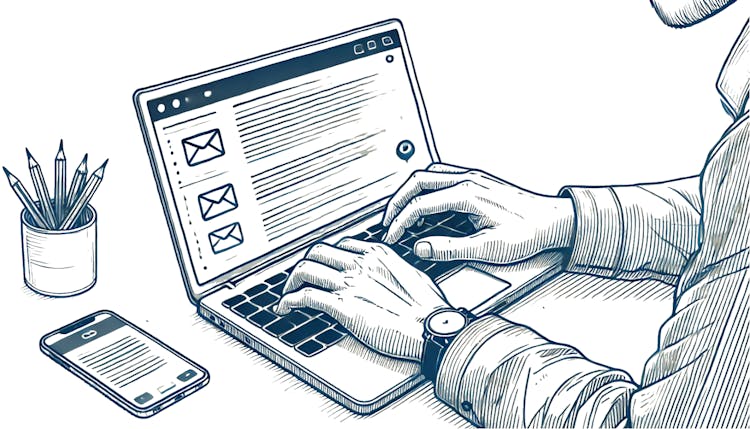
The best practices for writing effective emails include:
Understanding Your Audience: Customize the language and content in your effective emails to address the recipient’s needs and expectations.
Crafting a Clear Subject Line: Employ concise, specific language to clearly convey the purpose of your effective emails.
Using Professional Opening and Closing: Start your effective emails with an appropriate greeting and wrap up with a courteous sign-off, like “Best regards.”
Being Concise and Structured: In your effective emails, zero in on one main topic, utilize short paragraphs, and add bulleted lists for enhanced clarity.
Maintaining a Professional Tone: Ensure your effective emails reflect a courteous and respectful tone, even when addressing challenging scenarios.
Including a Call to Action: In effective emails, clearly define the desired response or subsequent steps.
Proofreading: To ensure your emails are effective, meticulously check for grammar and spelling errors to uphold professionalism.
Example: For more impactful and effective emails, swap generalized subject lines like “Quick question” for specific ones like “Upcoming Project Meeting Schedule.”
Tip: To increase the effectiveness of your emails, consider sending them during business hours for prompt attention.
Though these strategies typically bolster the efficacy of your emails, consider that the context and relationship nuances may call for adjustments to craft truly effective emails.
documents with easeCreate Document