Full-Time vs. Part-Time Work: Which Suits Your Lifestyle Better?
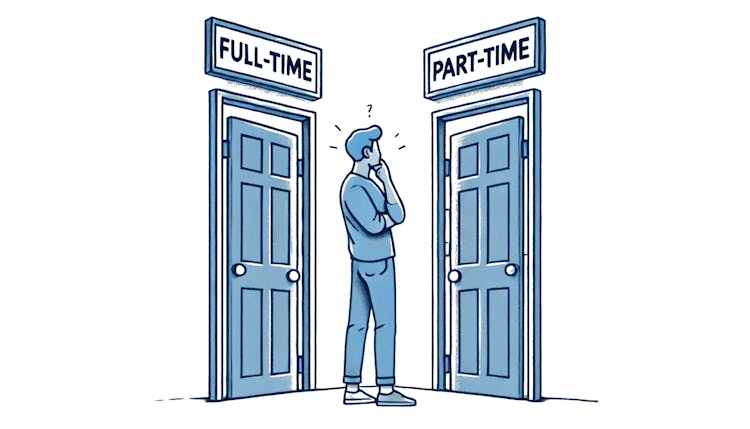
How do I choose between full-time vs. part-time work to best fit my lifestyle?
To choose between full-time and part-time employment, evaluate how each option aligns with your work-life balance priorities, financial goals, and personal growth aspirations. Both paths have distinct advantages, but the ideal choice depends on your current life situation and long-term objectives.
Impact on Work-Life Balance
Choosing between full-time vs. part-time work significantly influences your work-life balance. Full-time roles, which typically demand 35 to 40 hours a week, may limit the time available for personal activities and family engagement. Full-time roles do, however, provide stability and benefits, which can reduce stress caused by financial uncertainties. To maintain balance in a full-time role, it's essential to set boundaries and incorporate self-care practices like regular breaks and mindfulness exercises.
Tip: Implementing strategies such as technology detoxes and scheduled downtime can help maintain balance, regardless of employment type.
Part-time employment offers greater flexibility, generally requiring 20 to 30 hours weekly. This arrangement is ideal for those prioritizing lifestyle freedom and can be advantageous for pursuing hobbies or further education. Many part-time workers experience reduced job-related stress, allowing more time for personal growth, volunteer activities, or creative projects.
However, part-time roles can lead to less income and fewer career advancement opportunities. The psychological benefits of reduced stress and increased time for personal endeavors make part-time employment appealing for many individuals. Ultimately, the decision rests on aligning work commitments with personal values and long-term goals.
Financial Implications
Full-time jobs frequently provide higher incomes and benefits such as health insurance and retirement plans, contributing to financial security. This financial stability is crucial, especially for individuals with dependents or significant financial responsibilities. Understanding financial literacy is vital to utilizing full-time income effectively and ensuring long-term financial health.
Example: If you choose to explore freelance or entrepreneurial paths alongside part-time work, consider using InvoiceOnline to create invoices quickly and efficiently directly in your browser. This flexibility can be used to explore other lucrative opportunities.
For individuals seeking financial independence, pairing part-time work with alternate income streams might present a balanced strategy. Evaluate whether immediate financial security or long-term entrepreneurial growth is your primary goal to determine the most suitable job type.
Negotiating Work Hours with Employers
Negotiating work hours between full-time vs. part-time positions requires strong communication and a clear understanding of your needs. Start by identifying your non-negotiables and be clear about your goals. Emphasize how flexible hours can benefit both you and your employer through enhanced productivity and satisfaction.
Understanding your employer's priorities is crucial; present your request in a way that aligns with company goals. For example, propose a trial period to demonstrate the benefits of flexible scheduling. Arrive prepared with documented evidence of similar successes within your role or industry.
Be open to feedback and potential counteroffers from your employer. Maintaining a cooperative attitude and being willing to find a middle ground can lead to successful outcomes. Preparing an evidence-backed proposal strengthens your negotiation position, leading to a work arrangement that supports your lifestyle.
