How to Manage Stress at Work?
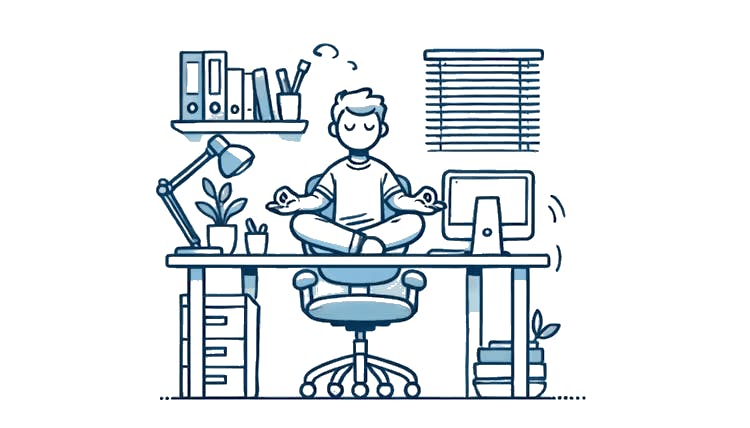
What are the most practical ways to manage stress at work?
When it comes to managing work stress, the most practical approaches include practicing mindfulness, setting boundaries, managing tasks effectively, and communicating openly with your manager. But discovering how to implement these techniques can make a big difference in reducing stress and improving overall productivity.
Explain the importance of managing stress at work
Managing work stress effectively is crucial for maintaining productivity and overall well-being. Unmanaged stress can lead to burnout, decreased productivity, and various health problems such as headaches, fatigue, and anxiety. Therefore, implementing practical techniques to manage stress can significantly improve both work performance and personal life quality.
Practical Techniques for Managing Work Stress
-
Mindfulness Practices and Breathing Exercises:
Mindfulness practices to manage work stress involve being present in the moment and observing thoughts and feelings without judgment. Deep breathing exercises, for instance, help in focusing on the breath which calms the mind. Sit comfortably, close your eyes, and breathe in slowly through your nose, filling your lungs completely. Hold for a few seconds, then slowly breathe out through your mouth. Repeat this process for a few minutes whenever you feel stressed.
-
Progressive Muscle Relaxation:
A valuable technique for managing work stress is progressive muscle relaxation, which involves systematically tensing and then relaxing different muscle groups in the body. Start with your toes and work your way up to your head. Tense each muscle group for about five seconds and then slowly release. This method helps in releasing physical tension and reducing stress.
-
Guided Imagery for Mental Relaxation:
To help manage work stress, guided imagery involves creating detailed mental images of peaceful scenarios, such as a quiet beach or a serene forest. To practice this, find a quiet space and close your eyes. Visualize a calm and peaceful place using all your senses. Imagine the sights, sounds, and even smells. This mental escape can be a powerful tool for stress relief.
-
Structured Workday and Task Management:
A key aspect of managing work stress is creating a structured workday with prioritized tasks to help manage feelings of being overwhelmed. Break down large projects into manageable tasks and allocate specific time slots for each. Using tools like to-do lists or project management software to keep tasks organized.
Example: A daily to-do list can include high-priority tasks marked with an asterisk.
-
Social Support and Hobbies:
Engaging in conversations with trusted colleagues, friends, or family members can provide emotional relief and assist in managing work stress. Participating in hobbies and activities outside of work also helps in reducing stress.
Example: Joining a weekly yoga class or picking up a creative hobby like painting can offer a relaxing escape from daily stressors.
Improving Work-Life Balance
-
Setting Boundaries Between Work and Personal Life:
Establishing clear working hours and ensuring personal time is reserved for rest and activities unrelated to work are crucial for managing work stress. Communicate these boundaries to colleagues and supervisors to manage expectations.
Example: Turn off work-related notifications after office hours.
-
Creating a Dedicated Workspace:
Especially when working from home, having a dedicated workspace is essential for managing work stress by signaling to the brain when it’s time to work and when it’s time to relax. Set up a designated area with necessary work tools and keep it separate from spaces meant for relaxation.
-
Incorporating Downtime and Scheduling Breaks:
Taking frequent short breaks is essential for managing work stress, improving productivity, and preventing burnout. The Pomodoro Technique—working for 25 minutes followed by a 5-minute break—can enhance focus and allow short recovery periods throughout the day.
-
Learning to Delegate and Manage Workload:
To manage work stress, avoid overcommitting by evaluating tasks before agreeing to take them on. Delegate tasks to lighten the load and foster teamwork. This not only prevents stress but also promotes a collaborative work environment.
-
Regular Review of Goals and Realignment:
A crucial part of managing work stress is regularly assessing personal and professional goals to ensure alignment with one's values and priorities. This review can indicate whether current practices support a balanced life or need adjustments.
Example: Bullet points on the process can include: setting quarterly reviews, listing achieved goals, and identifying areas needing attention.
documents with easeCreate Document