Digital Marketing vs. Affiliate Marketing: Key Differences and Opportunities
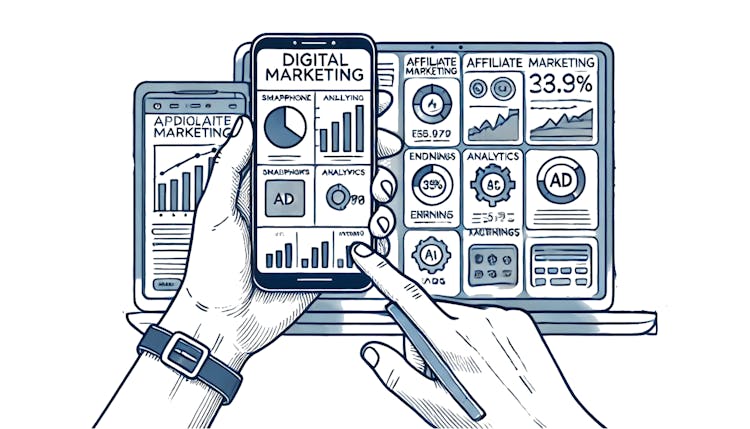
Digital marketing and affiliate marketing are crucial strategies for businesses aiming to enhance their online presence and achieve success. Although similar in objectives, digital marketing and affiliate marketing offer unique methods with distinct advantages. This article provides a clear breakdown of their differences, opportunities, and how they can complement each other in achieving business goals.
Exploring Digital Marketing vs Affiliate Marketing
Digital marketing refers to a broad spectrum of strategies to promote products, services, or brands through online channels, such as social media platforms, search engines, websites, email, and paid advertisements. A comprehensive digital marketing strategy aims to increase traffic, boost conversions, and enhance brand presence through diverse methods like SEO, PPC, and digital content marketing.
Affiliate marketing, being a key aspect of digital marketing, operates on a performance-based model. Businesses partner with affiliates—whether individuals or organizations—who utilize referral links to earn commissions by driving sales, leads, or specific actions.

Digital Marketing: A broad strategy with numerous tools to promote brand awareness and engagement.
Affiliate Marketing: A performance-based collaboration where affiliates drive measurable results, like sales or clicks.
Both digital marketing and affiliate marketing are crucial, with affiliate marketing serving as a focused element within the broader digital marketing strategies.
Digital Marketing vs Affiliate Marketing: Key Differences Explained
The differences between digital marketing and affiliate marketing lie in approach, scope, and execution. Here are the primary distinctions:
Scope and Strategy: Digital marketing involves various tactics such as SEO, PPC, and social media marketing, while affiliate marketing focuses more on partnerships to achieve performance-based outcomes.
Control and Ownership: Digital marketing enables brands to maintain full control over their messaging across multiple channels, while in affiliate marketing, brands rely on third-party affiliates to achieve results.
Budget and Risk: Digital marketing strategies often require upfront investments in advertisements or specialists without guaranteed outcomes. In affiliate marketing, risk is minimized as businesses only pay for actual outcomes like sales or leads.
Execution: Digital marketing allows businesses to directly engage with customers, whereas affiliate marketing leverages the established audiences of affiliates to promote products or services.
Analytics: Digital marketing tracks broader performance metrics such as impressions, engagement, and traffic, whereas affiliate marketing focuses on direct conversions monitored through referral link tracking.

Tip
Digital marketing is ideal for broad, long-term strategies, while affiliate marketing excels in targeted, cost-effective campaigns.
Why Choose Digital Marketing vs Affiliate Marketing?
Your choice between digital marketing and affiliate marketing depends on your goals, resources, and audience. Here’s how to decide:
Brand Awareness: Choose digital marketing to build a strong, recognizable presence by engaging directly with your audience.
Cost-Effectiveness: Opt for affiliate marketing when working with limited budgets as you only pay for proven results.
Scalability: Use digital marketing to create scalable campaigns with tools like Google Analytics and retargeting.
Niche Market Entry: Leverage affiliate marketing to access niche audiences through partners who already have influence in those areas.
Direct Control: For businesses wanting creative control, digital marketing is the better option.
Ease of Execution: Affiliate marketing requires less upfront effort compared to creating a comprehensive digital marketing strategy.
Digital Marketing: Best for businesses aiming to establish a larger brand presence.
Affiliate Marketing: Best for companies seeking performance-driven, low-risk sales generation.
What Are the Opportunities in Digital Marketing vs Affiliate Marketing?
Both digital and affiliate marketing provide unique opportunities for brands to grow and innovate.
Digital marketing allows businesses to tap into vast audiences through advanced techniques like interactive video marketing, AI-driven personalization, and behavioral retargeting. For example, a fashion brand can use TikTok ads to target Gen Z consumers with personalized content based on their browsing behavior.
Affiliate marketing opens doors to niche market opportunities by collaborating with bloggers, influencers, and content creators who possess dedicated followings. For instance, a tech company can partner with a YouTube influencer specializing in gadget reviews to expand its reach.

Example
Digital Marketing Opportunity: Utilize AI tools to automate email marketing campaigns and improve ROI.
Affiliate Marketing Opportunity: Partner with TikTok creators to leverage their audience and promote limited-time offers.
By staying abreast of trends and tools, businesses can maximize the benefits of both approaches.
How Do Digital Marketing and Affiliate Marketing Complement Each Other?
Digital marketing and affiliate marketing can work seamlessly together to amplify marketing efforts and boost ROI.
For instance, digital marketing helps businesses create strong brand authority and generate significant traffic through owned channels like websites and social media. At the same time, affiliate marketing extends this reach through third-party affiliates who introduce the brand to new audiences, such as niche communities or underserved demographics.
Tip
Use data from your digital marketing analytics to optimize affiliate campaigns. For example, if analytics show peak engagement times on your site, encourage affiliates to promote during those periods for maximum impact.
Together, these approaches form a unified pipeline. Digital marketing builds the foundation for a brand, while affiliate marketing drives measurable outcomes like sales and conversions.
By combining these strategies, businesses can create a robust, diversified marketing plan that covers both broad-reaching engagement and performance-specific goals.
