Understanding the 7 Functions of Marketing: Definitions and Importance
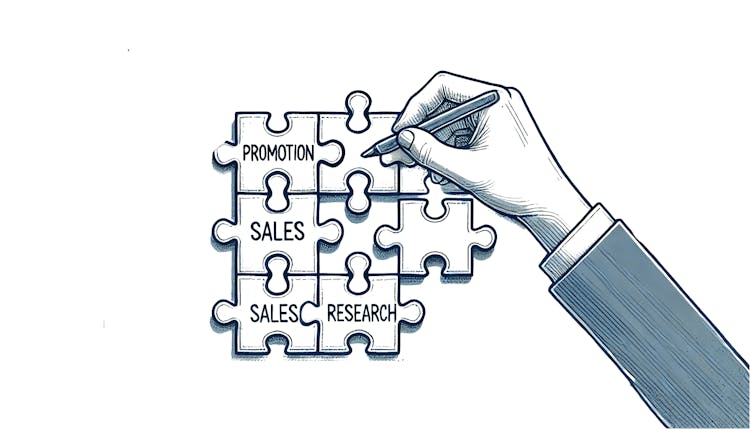
The seven functions of marketing, each with clear definitions, are fundamental to connecting businesses with their consumers, offering a structured approach to effectively navigate the complexities of marketing. These functions work together to ensure that the right product meets the right customer, at the right time.
The 7 Functions of Marketing:
Market Research (Marketing Information Management): Collecting and analyzing data about customers, competitors, and market trends is crucial within the definitions of the 7 functions of marketing, guiding effective strategies. For example, surveys can reveal what features customers prioritize in a product.
Product and Service Management: Developing, improving, and maintaining products to meet customer needs and remain relevant over time. Consider updates to a mobile app based on user feedback to keep it competitive.
Pricing: Determining the most appropriate price by assessing costs, demand, competition, and perceived value, ensuring profitability and customer satisfaction.
Promotion: Communicating a product’s benefits through advertising, social media, and other channels to drive interest and sales.
Distribution (Channel Management): Ensuring products are delivered efficiently to customers through physical or digital channels, like eCommerce stores or retail outlets.
Selling: Engaging with customers to persuade them to buy while addressing their needs, such as through personalized consultations or sales calls.
Financing: Managing budgets for marketing activities and offering ways for customers to afford purchases, such as payment plans.
These functions simplify marketing efforts by dividing them into actionable steps, paving the way for success.
Why is Understanding the 7 Functions of Marketing Important?
Gaining clear definitions of the 7 functions of marketing is key to building cohesive strategies that deliver customer value and ensure consistent business growth.
Benefits of Understanding the Marketing Functions:
Streamlining Strategies: With these functions, businesses can break down complex campaigns into manageable parts, ensuring no aspect is overlooked.
Improved Customer Targeting: Market research helps pinpoint the right audience, while pricing and promotion ensure offerings are appealing.
Stronger Decision-Making: Clear functions allow companies to identify weaknesses, like ineffective distribution methods, and make timely adjustments.

Impactful Example
One company adjusted its promotional efforts after market research revealed customers preferred email promotions over social media ads. By refocusing its budget and content, the business saw a 25% increase in conversions.
By mastering these functions, businesses can craft smarter strategies and stay ahead of the competition.
How Do the 7 Functions of Marketing Apply to Businesses?
The seven functions of marketing play a vital role in shaping business operations and achieving goals. Here’s how each function contributes:
Market Research: Informs businesses about industry shifts and customer preferences. For example, a company entering a new market might study local buying habits to launch effectively.
Product and Service Management: Ensures offerings remain competitive by adapting to changing demands. Think of a food delivery company expanding its menu based on customer feedback.
Pricing: Impacts revenue and positioning. Premium pricing can signal quality, like a tech company charging more for cutting-edge features.
Promotion: Builds brand awareness and grabs attention through targeted campaigns—a beauty product brand can spotlight unique ingredients through social media ads.
Distribution: Ensures seamless customer satisfaction by delivering products on time, such as coordinated logistics for global eCommerce shipments.
Selling: Converts interested leads into paying customers. For example, a home appliance company demonstrating its product to address customer pain points.
Financing: Drives campaign execution and customer affordability, like an auto dealership offering flexible payment terms to boost sales.
Real-World Example
An online clothing retailer leveraged effective distribution and pricing strategies. By offering free shipping on certain orders and competitive pricing, the business experienced a 40% increase in customer retention.
Each function supports specific business objectives while contributing to a unified marketing strategy.
Can the 7 Functions of Marketing Help Improve Customer Relationships?
Yes! Understanding the definitions of the 7 functions of marketing is pivotal in strengthening customer relationships throughout every stage of the buying journey.
Market Research: Creates a sense of trust by addressing customer feedback.
Product and Service Management: Builds loyalty through relevant and practical products.
Pricing: Ensures customers feel they’re getting good value for their money.
Promotion: Fosters connections via personalized campaigns, like using customer data to send customized email offers.
Distribution: Ensures reliable product delivery, enhancing customer satisfaction.
Selling: Engages customers directly, solving their problems and making them feel valued.
Financing: Shows flexibility and care by offering payment options tailored to customer convenience.

Tip
To improve customer relationships, focus on personalization—use customer data to offer products, promotions, and solutions that meet their unique needs.
What Role Do the 7 Functions of Marketing Play in Achieving Business Goals?
The 7 functions of marketing act as a comprehensive roadmap for businesses aiming to achieve goals. Whether it’s boosting revenue, building brand recognition, or entering new markets, these functions align marketing efforts with operational objectives.
For instance, developing a pricing strategy that highlights affordability without compromising quality can help a business capture new customer segments, while financing supports cash flow to fund campaigns and innovations. Together, these functions bridge the gap between planning and execution, ensuring sustainable growth and long-term customer value.
Final Thoughts: The Importance of Mastering the 7 Functions of Marketing
Success in marketing comes from understanding and applying the seven foundational functions. They provide the structure needed to connect with customers effectively, design profitable strategies, and achieve business goals. By mastering these marketing essentials, businesses can thrive in today’s competitive landscape. Start applying these principles now to forge a stronger path forward!
documents with easeCreate Document