Understanding the Customer Loyalty Life Cycle: From Acquisition to Advocacy
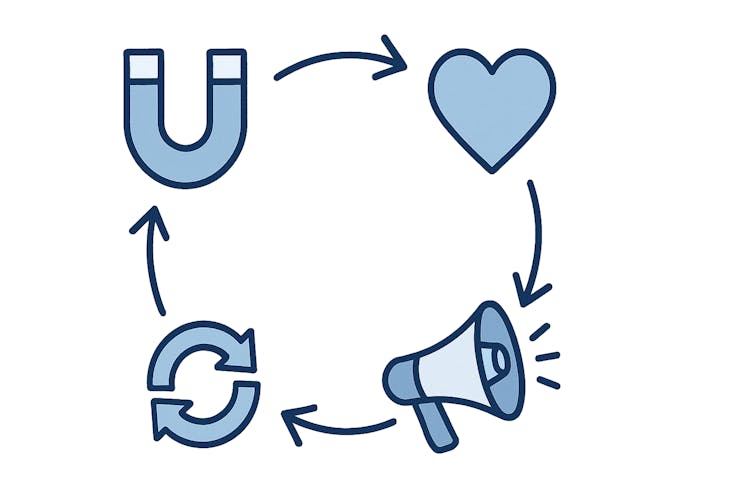
The customer loyalty life cycle represents the journey businesses create to transform potential customers into dedicated brand ambassadors, emphasizing trust, relationship nurturing, and emotional connections rather than just transactional loyalty. By understanding this life cycle, businesses can build long-term relationships that help drive sustainable growth and profitability.

Definition
The customer loyalty life cycle is a continuous process of attracting, engaging, retaining, and converting customers into loyal brand advocates.
How Does the Customer Loyalty Life Cycle Begin?
The life cycle begins with capturing the attention of potential customers. This starts when your brand connects with prospects—via marketing campaigns, social media, word-of-mouth, or organic SEO efforts. First impressions are critical, as they set the tone for building trust and credibility. Providing clear communication and seamless onboarding is crucial in the early stages of the customer loyalty life cycle, shaping a lasting impact.

Make a Great First Impression
Use social proof, targeted ads, and free trials to build trust. Ensure a smooth onboarding experience to increase customer confidence.
What Are the Key Stages of the Customer Loyalty Life Cycle?
The life cycle moves through five essential stages. Throughout the customer loyalty life cycle stages, businesses must strategically guide customers, fostering enduring relationships and enhancing loyalty.
Awareness Stage: Introduce your brand to new prospects through advertising, referrals, or storytelling. Highlight your unique value to capture their attention.
Engagement Stage: Engage customers with personalized interactions, valuable content, or demos. Build interest by addressing their pain points.
Purchase Stage: This is where prospects convert to customers by completing a transaction. Ensure a seamless experience with excellent customer service.
Retention Stage: Build loyalty by staying connected. Use personalized offers, rewards programs, or support to create repeat buyers.
Advocacy Stage: Satisfied, loyal customers become brand ambassadors. They promote your brand through referrals, reviews, or word-of-mouth marketing.

Example
Imagine a fitness brand successfully moving customers through these stages. First, the brand raises awareness with social media campaigns featuring customer success stories. They engage prospects with free workout plans and tutorials, converting them into loyal buyers with seamless purchasing and exceptional customer service. Over time, these buyers are included in exclusive loyalty programs and share their experiences online, creating new leads.
How Can Businesses Move Customers Through the Customer Loyalty Life Cycle?
Businesses can effectively guide customers through the life cycle by employing strategic touchpoints and maintaining engagement.
Personalize Every Interaction: Use data-driven insights to provide tailored experiences, from email marketing to product recommendations.
Develop Loyalty Programs: Reward repeat customers with discounts, points systems, or exclusive perks to encourage retention.
Act on Feedback: Regularly follow up with customers and implement suggested improvements to build trust.
Recognize Loyalty: Show appreciation with thank-you messages, personalized gifts, or recognition in social campaigns.
A popular coffee chain encourages advocacy with a robust rewards program, offering free drinks and VIP experiences to frequent customers.
Why Is the Customer Loyalty Life Cycle Important for Advocacy?
The ultimate goal of the customer loyalty life cycle is reaching the advocacy stage, converting loyal customers into vocal brand champions. Advocates not only drive credibility by promoting your brand authentically, but they also reduce marketing costs through organic word-of-mouth. In today’s competitive landscape, where customer recommendations carry significant weight, advocacy offers unparalleled ROI by merging credibility with free, scalable marketing.
Advocates enhance growth by sharing positive reviews, powerful testimonials, and recommendations, ensuring that businesses continue to thrive in a cost-effective ecosystem of loyalty and trust.
This article outlines the importance of understanding and implementing the customer loyalty life cycle, empowering businesses to grow through retention and advocacy. By focusing on creating exceptional customer experiences at every stage, brands can turn casual customers into lifelong evangelists.