How Advance Invoices Reduce Financial Risks in Projects
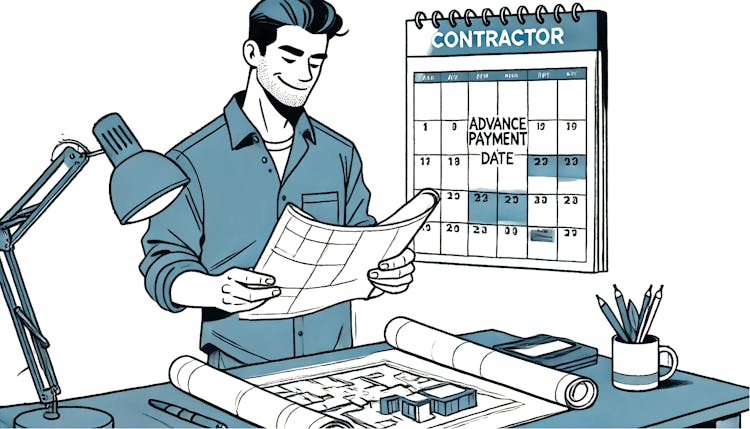
What Are the Benefits of Using Advance Invoices for Projects?
Advance invoices deliver significant benefits that bolster financial security and streamline project execution. Here’s a closer look at these benefits:
Ensures financial commitment from clients: Collecting upfront payments guarantees the client’s intention to proceed with the project.
Reduces the risk of unpaid services: Advance invoices protect businesses from potential losses caused by client defaults or delays.
Helps allocate resources effectively: Knowing that initial costs are covered allows for strategic procurement of materials and hiring of labor.
Builds trust between stakeholders: Advance payments signify mutual trust and commitment, creating a foundation for smoother collaboration.
Provides clarity in project scope and terms: These agreements set clear expectations, decreasing misunderstandings and disputes.

Tip
Using advance invoices reduces dependency on costly loans and improves cash flow predictability.
How Do Advance Invoices Reduce Financial Risks in Projects?
Advance invoice benefits significantly reduce financial risks by ensuring funds are available before work begins. Consider the benefit of securing upfront payments that shield businesses when projects face client abandonment. These benefits offer upfront funds to meet critical expenses, minimizing the financial impact from unpredictable events. They also mitigate the risks associated with inflation or rising costs, ensuring project stability.
What Role Do Advance Invoices Play in Improving Cash Flow?
The benefits of advance invoices are crucial for maintaining consistent cash flow in projects. By securing upfront payments, businesses gain immediate liquidity, covering operational costs such as salaries, utilities, and supplier payments. This proactive benefit eliminates reliance on risky credit options, ensuring seamless project execution.
According to financial studies, poor cash flow is a leading cause of 82% of small business failures. Advance invoices prevent this by ensuring steady monetary inflow.
How Can Advance Invoices Help Mitigate Project Uncertainties?
Advance invoice benefits serve as financial shock absorbers against project uncertainties. Here’s how these benefits support your project:
Covers unexpected project delays or scope changes: Provides a financial buffer to accommodate scope revisions or timeline extensions.
Ensures contractors and vendors are promptly paid: Avoids operational delays caused by late payments to subcontractors or suppliers.
Reduces risks of halting operations due to lack of funds: Sufficient upfront funds keep the project on track, even if issues arise.

Example
In one construction project, unexpected weather delays increased costs for materials and additional labor hours. The service provider used advance payments to meet these demands without risking budget overruns.
Why Are Advance Invoices Important for Managing Project Finances?
The benefits of advance invoices lie in promoting structured financial management by offering clarity and predictability. They simplify progress tracking, budget alignment, and milestone payments while ensuring accountability at each project phase. Clients enjoy added transparency, while businesses receive financial benefits needed to remain on schedule and within budget.
Good financial planning, supported by advance invoices, reduces chaos and prevents revenue leakage caused by delayed payments.
documents with easeCreate Document