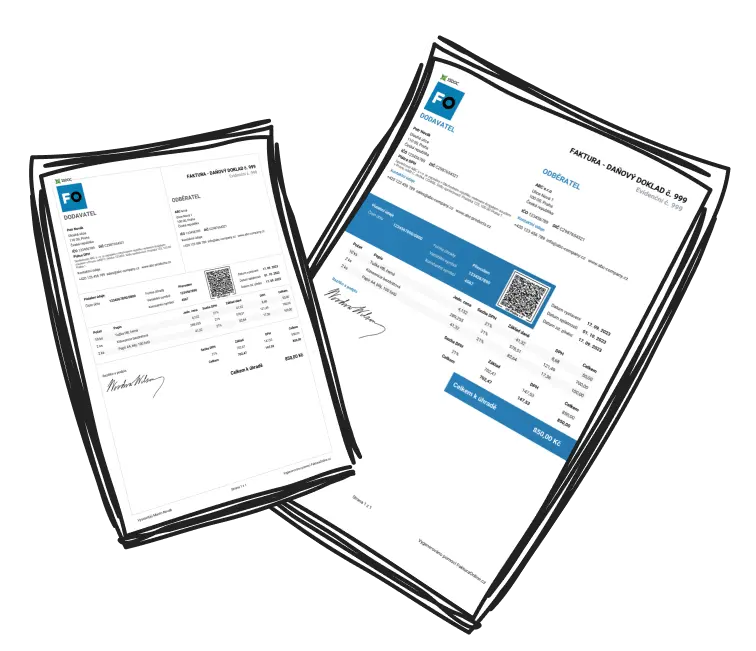
Essential Supporting Documents to Strengthen Your Business Plan

Missing key documents could undermine the effectiveness and persuasiveness of your business plan. Supporting documents serve as the backbone of your plan, providing evidence of its feasibility and setting the stage for success.
Essential supporting documents include:
Financial statements and bank statements to demonstrate financial health.
Tax returns for existing businesses to showcase credibility.
Contracts or agreements with suppliers, partners, or customers, which validate critical relationships.
Marketing materials, like brochures or promotional plans, to emphasize branding strategies.
Customer letters of intent to prove market demand.
Licenses, permits, and patents that ensure legal compliance.
Market research reports or studies to validate your target market.
Organizational charts that clarify business structure and operations.

Tip
Organize your documents so they align with corresponding sections of the business plan, creating a cohesive and credible presentation.
Which Financial Documents Are Essential for the Supporting Documents in a Business Plan?
Without solid financial documentation, stakeholders may lack confidence in your business plan. Financial documents are vital because they illustrate your organization's ability to manage resources and ensure long-term viability.
Projected Income Statements (P&L Statements): Outline revenue, expenses, and profits over upcoming years.
Balance Sheets: Display the business's assets, liabilities, and equity at a specific time.
Cash Flow Projections: Demonstrate financial management and operational sustainability.
Break-even Analysis: Determine when your business will start generating profit.
Funding Request Details: Show how external funds will be allocated (e.g., salaries, product development, marketing).
Each of these documents provides stakeholders with clarity on your financial health and scalability. For example, cash flow projections ensure investors you can navigate tight operational periods.
Market Research Data to Include in a Business Plan's Supporting Documents
Market research helps prove that your target market exists and can be reached effectively. Including it in your business plan validates your idea and provides a glimpse into opportunities and risks.
For example, comprehensive data on customer demographics, industry trends, and competitor analysis reassures stakeholders of the business's profitability and viability. Charts or survey findings that illustrate sales growth potential or market segmentation can further solidify your claims.

Example
Imagine presenting a trend report that defines growing customer demand alongside a competitor pricing analysis. This evidence helps investors visualize your product's impact and position in the market.
Including Resumes of Key Personnel in Your Business Plan's Supporting Documents
Investors often bet on people as much as they do on the business idea. Including resumes of key personnel demonstrates your team’s ability to execute the plan.
Resumes emphasize:
Relevant industry expertise and leadership.
Key achievements aligned with business objectives.
Skills necessary for executing specific roles within the plan.
Tailor resumes to include only relevant accomplishments and skills, showcasing leadership, innovation, and operational strength to build confidence among stakeholders.
Legal Documents Essential for Your Business Plan's Supporting Documents
Missing key legal paperwork could raise red flags, delaying or damaging funding opportunities. Including legal documents in your plan proves your business is legitimate and compliant with the law.
Essential legal documents:
Business licenses and permits: Display compliance with regulations.
Articles of incorporation: Confirm business ownership and structure.
Trademarks, patents, and intellectual property filings: Secure key assets.
Contracts (e.g., vendor, lease, or customer agreements): Establish stability and obligations.
Insurance policies: Highlight operational protection (e.g., liability insurance).
Loan agreements or NDAs: Clarify financial obligations and confidentiality.
Tip
Proactively organizing legal documentation assures stakeholders of your commitment to transparency and operational security.