10 Tips for Effective Invoice Management in Small Businesses
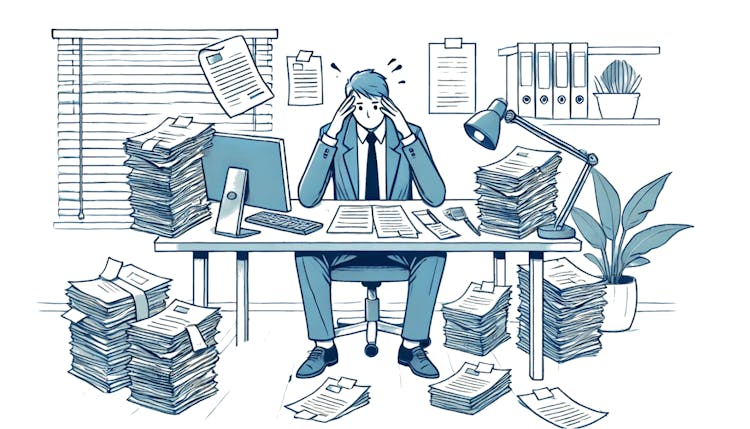
How can I manage invoices more effectively in my small business?
To achieve effective invoice management in your small business, implement digital invoicing systems and set clear payment terms. Utilizing automated tools can greatly enhance efficiency. However, exploring specific strategies to optimize your entire invoicing process is essential.
Tip 1: Implement a Digital Invoicing System
For effective invoice management, consider using tools like InvoiceOnline to quickly create invoices right from your browser. This saves time by automating repetitive tasks like data entry and invoice generation, thereby enhancing the overall efficiency.
Example: A small retail business implemented digital invoicing and saw a 30% reduction in time spent on invoice generation, which freed up resources for other critical business operations.
Tip 2: Set Clear Payment Terms
Set clear payment terms aligned with your business's cash flow needs to manage invoices effectively and ensure timely dispatch.
Tip: Have upfront communication with clients to establish expectations and deadlines. This makes it easier for clients to comply with your payment terms.
Tip 3: Categorize Invoices Efficiently
Efficiently categorize invoices by client, due date, and status (e.g., sent, paid, overdue) to ensure effective invoice management through quick retrieval and timely follow-ups.
Example: By categorizing invoices, a catering service managed to keep track of over 150 clients’ payments effectively and minimized overdue invoices by 20%.
Tip 4: Streamline Invoice Approval Process
Minimize layers in the approval process to reduce delays. Set clear approval limits based on invoice amounts to ease bottlenecks.
Tip: Define who can approve invoices and at what thresholds to ensure a smooth and rapid approval process.
Tip 5: Train Staff Regularly
Regular training on the latest invoicing tools and technologies can enhance efficiency.
Example: A training session helped a marketing firm’s staff reduce errors in invoicing by 25%, making the process more efficient and reliable.
Tip 6: Communicate with Clients Effectively
Use tools to send timely reminders to clients about upcoming payment deadlines to encourage prompt payments.
Example: A reminder schedule through email notifications increased a logistics company’s on-time payments by 30%.
Tip 7: Incentivize Early Payments
Offer discounts for early payments or penalties for late payments to encourage timely settlement.
Example: A discount strategy for early payments led to a faster cash inflow and improved cash management in a travel agency.
Tip 8: Monitor Payment Behaviors
Keep track of payment histories to identify patterns and address late payment issues with specific clients.
Tip: Use personalized follow-up strategies with clients who habitually pay late, tailored to their payment habits.
Tip 9: Utilize Automated Payment Systems
Automated payment systems simplify transaction processes and reduce human error.
Example: Introducing automated payment systems allowed a small consultancy firm to cut down on missed payments and improve client satisfaction.
Tip 10: Choose the Right Invoicing Tools
Look for invoicing software with features like automated generation, payment tracking, and reminders that integrate with existing business systems.
Example: Integrating invoicing software with accounting systems provided a holistic financial view and streamlined operations for a boutique law firm.
In conclusion, employing these strategies will enhance effective invoice management across your small business, leveraging tools and clear processes to streamline operations.
