How to Optimize Your Retail Invoices for Maximum Efficiency and Growth
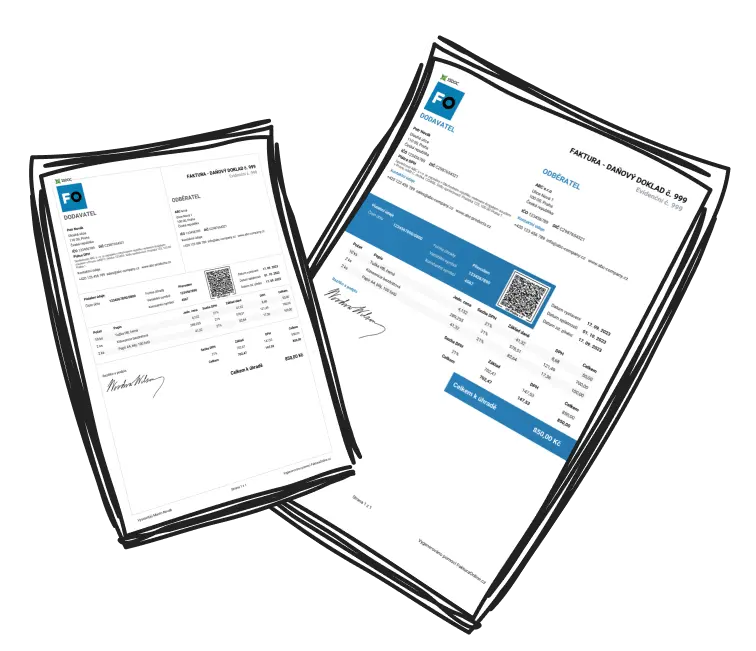
A retail invoice stands as a crucial document in the retail sector, capturing sales transactions between retailers and customers and cementing its importance as an essential record for efficiency. It includes important details such as item descriptions, quantities, unit prices, taxes, and total amounts. Beyond serving as proof of purchase, it supports retailers in tracking sales, maintaining financial records, and ensuring tax compliance. For customers, it provides a transparent breakdown of their purchase. Retail invoices double as marketing tools by incorporating branding elements such as logos and taglines, enhancing their role in retail operations.

Retail Invoice Defined Simply
A retail invoice is a document that formally details all aspects of a sale, including prices, taxes, and terms, while also providing proof for both payment and purchase.
How Can You Optimize Your Retail Invoice Process for Efficiency?
By optimizing your retail invoice process, you ensure accuracy, save time, and enrich the customer experience. Follow these five steps to streamline your retail invoice workflow:
-
Digitize Your Invoices
Use accounting or invoicing software like QuickBooks, Zoho Invoice, or Square to automate invoice creation, tax calculations, and customer data management.
-
Adopt E-Invoicing
Switch to sending electronic invoices to customers in real-time. This eliminates delays caused by paper-based systems.
-
Integrate Systems
Connect your point-of-sale (POS) system with invoicing software to automate data transfer between sales and invoices.
-
Set Up Payment Reminders
Automate reminders for due or overdue payments to encourage timely settlements and reduce manual follow-up efforts.
-
Review Regularly
Conduct audits to identify bottlenecks, and train your team on updated invoicing practices for consistent results.

First-Time Automation Tip
For first-time automation, explore invoice templates available within your chosen software, or simplify design using free online tools like Canva.
Why is it Important to Streamline Retail Invoices?
Streamlining retail invoice processes ensures payments are timely, allowing businesses to excel in competitive markets and prioritize key activities. An inefficient system slows payments, frustrates customers, and wastes valuable time correcting preventable mistakes. A seamless workflow keeps businesses ahead in competitive markets by ensuring payments are collected on time and resources are focused on high-value activities.
Improved Cash Flow: Faster invoices mean quicker payments and better cash flow management.
Error Reduction: Avoid issues caused by incorrect pricing, typos, or missing tax details.
Operational Efficiency: Free up time for core business activities like inventory management.
Automation Benefits
Retailers adopting automated invoicing report up to 60% faster payment collections, directly enhancing their cash flow.
Mastering Best Practices for Retail Invoice Efficiency
Ensure your invoicing process is professional, clear, and legally compliant by following these best practices:
Leverage retail invoice software and tools to minimize manual errors, ensuring both precision and efficiency.
Opt for electronic invoices to save time and resources.
Include all necessary details, such as tax identification numbers and payment guidelines, on every invoice.
Clearly state payment terms, e.g., "Payment due in 30 days" or offer incentives for early payments.
Use itemized formats for transparency, showing subtotals, taxes, discounts, and the final amount owed.
Retain copies of all invoices to simplify audits and resolve disputes efficiently.

Invoicing Platforms
Platforms like Wave or FreshBooks offer user-friendly templates tailored for retail businesses, ensuring hassle-free setup and integration.
From Transactions to Growth: How Retail Invoices Drive Business Success
Retail invoices are more than transactional tools—they play a significant role in shaping growth strategies. Timely and accurate invoices foster customer trust, improve cash flow, and help track sales trends. Insights from retail invoices can guide product optimizations, enhance marketing tactics, and inform growth strategies.
Customer Trust Building: Transparent, professional invoices encourage repeat business.
Better Financial Health: Tracking unpaid invoices ensures cash flow remains steady.
Strategic Insights: Use invoice data to identify top-performing products and market opportunities.
By refining your retail invoice process using these strategies, you’ll create a system that not only increases efficiency but also sets the foundation for sustainable business success.
documents with easeCreate Document