Step-by-Step Guide to Sending Your First Invoice
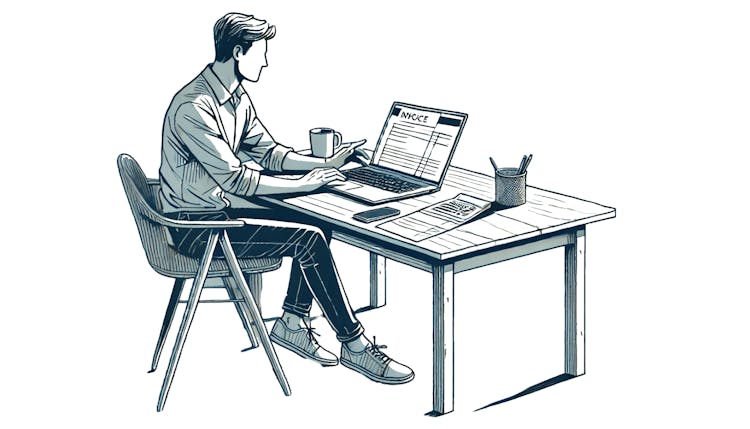
How can I create an invoice quickly and send it for the first time while ensuring prompt payment?
To efficiently create and send your first invoice, gather all essential information, structure your invoice professionally, verify accuracy, choose the right delivery method, and encourage prompt payment. But understanding the nuances of each step and maintaining effective communication with your clients are key to ensuring timely payments.
Efficiently creating and sending your first invoice marks a significant milestone for your business. This guide will walk you through each step to help you create an invoice quickly, ensuring it's professional and efficient.
1. Gather Necessary Information
-
Before you begin the process to quickly create your invoice, collect all relevant details:
Your business name and contact information
Client's details (name, address, email)
Invoice number for tracking
Date of issue
Payment terms (e.g., due date, payment methods)
Example: Include terms like "Payment due within 30 days via bank transfer or PayPal."
2. Efficiently Crafting the Invoice
-
Structure your invoice carefully to facilitate a quick creation:
Itemized list of products/services with descriptions, quantities, and unit prices
Total amount due, including taxes if applicable
Payment terms and conditions clearly stated
Example: A clean, branded template enhances professionalism and recognition.
Tip: Utilize online invoicing tools like InvoiceOnline to streamline the design process, ensuring all elements are well-organized and quick to set up without hassle.
3. Ensuring Accuracy
-
Double-check all invoice details before sending:
Correct recipient information
Accurate amounts and calculations
No typographical errors
-
Bullet points to verify:
Are all services included?
Is the tax calculation correct?
Is the recipient's name spelled correctly?
4. Sending the Invoice
-
Choose the most efficient delivery method:
Email the invoice as a PDF to ensure compatibility
Use postal services for clients preferring physical copies
Consider invoicing platforms for automated processes
-
Practical tips:
Confirm the client’s preferred invoice reception method
Request a confirmation upon receipt for assurance
5. Facilitating Prompt Payment
-
To encourage quick payment, focus on the following strategies while you create an invoice:
Clearly stating the due date on the invoice
Offering multiple payment options (bank transfer, credit card)
Example: Provide a 2% discount for payments made within 10 days.
Tip: Communication is key—send a polite reminder as the due date approaches.
6. Following Up
-
Effective follow-up ensures payments are not delayed:
Set reminders for payment check-ins after the due date
Send follow-up emails or phone calls if necessary
Maintain a polite tone to preserve business relationships
-
Tips on managing late payments:
Remind clients of any late fees in a professional manner
Offer solutions such as payment plans if necessary
This step-by-step approach will help you create and send your first invoice confidently, ensuring professional interactions and prompt payments.
documents with easeCreate Document