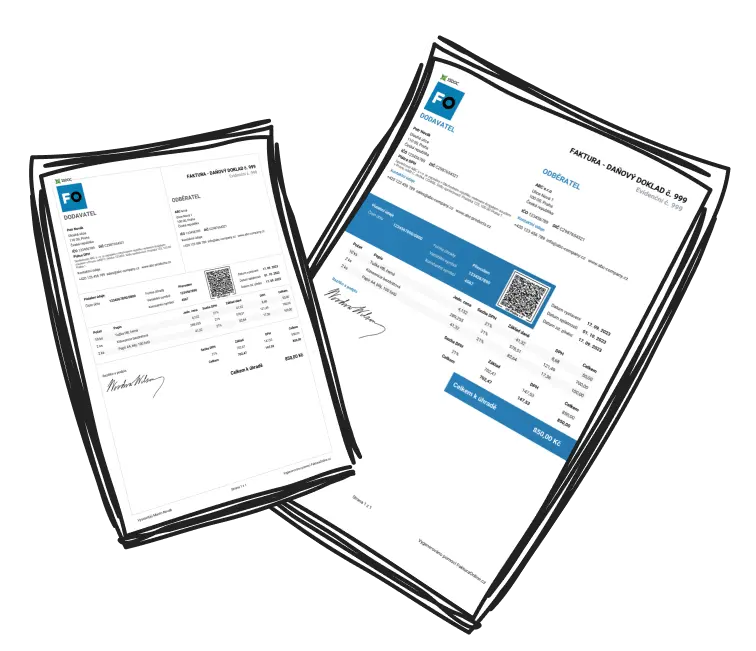
Understanding Invoice Formats: Examples for Entrepreneurs and Freelancers

Successful businesses require effective invoicing – using the wrong format can lead to inefficiencies and missed payments. Entrepreneurs must adopt invoice formats that combine professionalism, scalability, and flexibility to match the demands of their businesses. Here are several examples of invoice formats popular among entrepreneurs:
Itemized Invoices: Perfect for retail businesses. These include a breakdown of each product sold, unit cost, discounts, taxes, and total amounts.
Recurring Invoices: Ideal for subscription-based models, they include recurring payment details and billing cycles.
Service Invoices: Common for consultants or agencies, listing the services provided, hours worked, and hourly rates.
Pro Forma Invoices: Sent before services or products are delivered to notify clients of upcoming costs.
Commercial Invoices: Used for international business transactions, these comply with customs requirements by including tariff codes and shipping details.

Tip
Always include your business branding—logos, colors, and fonts—on invoices to enhance professionalism and brand recall.
Freelancers’ Guide to Effective Invoice Formats
The right invoice format ensures freelancers get paid faster while maintaining a professional image. It's essential to tailor examples of invoice formats to fit industry needs and specific project requirements. Here are some common formats for freelancers:
Hourly Rate Invoices: Specify hours worked, rates, and service descriptions—perfect for tech and consulting projects.
Milestone-Based Invoices: Break payments by project stages (e.g., 50% upfront, 50% upon completion). Writers, designers, and developers often use this format.
Project-Based Invoices: Detail deliverables (like a completed logo or website) along with costs and deadlines for streamlined communication.
Retainer Invoices: Specify pre-agreed monthly fees for ongoing work, which works flawlessly for clients requiring continuous service.
Tip
Freelancers can use simple tools like Canva or platforms like PayPal and FreshBooks to create clean and customizable invoice templates.
Are There Invoice Formats Suited for Small Businesses?
Small businesses need versatility as they balance growing client diversity and managing multiple financial tasks efficiently. Selecting the right invoice format can assist in seamless scaling while maintaining professionalism. Here are a few tailored formats for small businesses:
Sales Invoices: Common for retail or wholesale operations, listing quantities, unit prices, and totals.
Service Invoices: Suited for services that charge hourly or flat fees, like salons or repair shops.
Discount Invoices: Feature original prices, discounts, and updated totals, ideal for sales promotions.
Tax Invoices: Include VAT or GST figures, business registration numbers, and detailed tax breakouts—perfect for tax compliance.
Recurring Payment Invoices: Streamline billing for subscription-based clients.
Can You Show Examples of Different Invoice Designs?
Sometimes, examples of invoice designs communicate more than words can. A clean, professional, and visually appealing invoice makes a lasting impression. Here are a few effective design types:
Minimalist Design: A simple layout featuring clear fonts, structured tables, and subtle branding elements for clarity.
Color-Coded Layouts: Use accent colors to differentiate invoice categories (e.g., overdue, paid, due).
Brand-Focused Design: Placement of the company logo prominently and consistent use of brand colors/fonts enhance professionalism.
For creative design inspiration or pre-made templates, platforms like Canva, FreshBooks, and Adobe Stock are excellent resources.
Wrapping Up: Choosing the Right Invoice Format
Create an invoice system that works for you and streamlines your financial management. Here are some key tips when using examples of invoice formats effectively:
Experiment with different templates to find the best fit.
Always ensure essentials like payment terms, due dates, and contact details are included.
Use software tools to maintain consistency and professionalism in your invoice designs.
Consistency in your invoice formatting helps reinforce your brand identity while minimizing client confusion.