Understanding Net 7 Payment Terms: A Simple Guide for Small Business Owners

Many small business owners overlook net 7 payment terms—these short-term payment agreements can critically impact cash flow and business success.
Net 7 payment terms define an agreement where a buyer is obligated to pay the full invoice amount within 7 calendar days from the invoice date. “Net” signifies the total payable after any deductions like discounts. This arrangement is common in businesses like freelancing, consulting, and creative services where quick cash turnover is crucial. With net 7, sellers allow a short grace period for customers to settle their payment obligations while ensuring their own operations maintain liquidity.
How Do Net 7 Payment Terms Work?
Understanding net 7 payment terms is vital for maintaining smooth business operations—here's how such quick payment terms simplify processes.
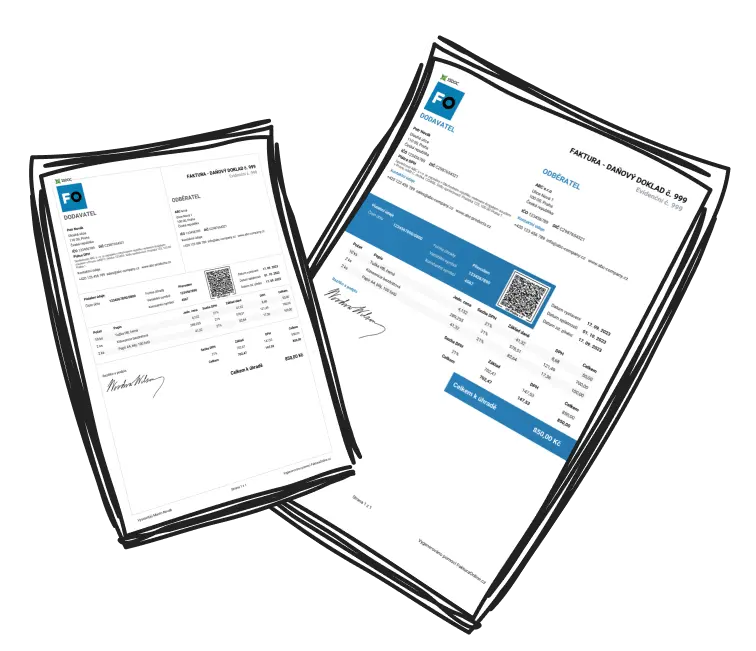
After delivering a product or service, the seller issues an invoice clearly labeled with “Net 7.”
The countdown begins on the invoice date, not necessarily the delivery date. For example, if the invoice is dated November 1st, payment is due by November 8th.
To ensure timely payments under net 7 terms, many businesses send payment reminders by or before the 7th day.

Example Timeline
Day 1 (Nov 1): Invoice issued.
Day 7 (Nov 8): Payment due.
Late payments could attract penalties or create friction, so some sellers incentivize early payments with discounts, such as a 2% reduction if paid within 7 days.
Why Are Net 7 Payment Terms Important for Small Business Owners?
Stable cash flow is vital for business health; net 7 payment terms can provide small businesses with the financial predictability they need to succeed.
Net 7 payment terms are vital for small businesses because they create faster payment cycles, making it easier to cover operational costs like employee wages or supplier payments. They minimize cash flow gaps and encourage financial discipline in clients. Offering net 7 terms can also attract smaller clients who appreciate short grace periods while keeping your business ahead financially.

Pro Tip
Adopt net 7 payment terms to maintain tighter control over cash flow and avoid delays that could disrupt your operations.
Advantages and Disadvantages of Net 7 Payment Terms
Is net 7 right for your small business? Explore its pros and cons to find out.
Advantages:
Improved cash flow: Payments arrive within a week, reducing reliance on credit or reserves.
Stronger financial planning: Short payment cycles facilitate precise budgeting and liquidity management.
Accountability: Encourages responsibility and trust in client relationships.
Disadvantages:
Challenging for clients with tight cash flow: Smaller businesses may struggle to meet a 7-day deadline.
Time-consuming follow-ups: Sellers must track invoices diligently and send reminders.
Limited flexibility for larger clients: Big corporations accustomed to net 30 or net 60 terms may find net 7 restrictive.
How Can Small Business Owners Manage Cash Flow with Net 7 Payment Terms?
Discover how you can maintain steady cash flow, even with the tighter deadlines imposed by net 7 payment terms.
Automation is key: Use accounting software to issue invoices immediately and send automated reminders as the due date approaches.
Communicate expectations upfront: Discuss net 7 payment terms with clients before contracts are signed to avoid confusion or delays.
Offer incentives: Consider providing small discounts (e.g., 1-2%) for early payments, encouraging clients to pay ahead of the deadline.
Prepare financially: Maintain a cash reserve to cover expenses during payment gaps. Leverage tools like invoice factoring if immediate liquidity is essential.
Forecast cash flow: Anticipate expenses and receivables with a cash flow calendar to avoid bottlenecks.
Cash Flow Management Tip
Invest in invoice tracking tools to minimize administrative work and avoid delays. Polite follow-ups and clear communication are essential for maintaining professionalism and ensuring payments are made on time.
By understanding and implementing net 7 payment terms effectively, small business owners can strengthen cash flow, attract reliable clients, and maintain long-term stability.