What Makes a Proforma Invoice Different from a Standard Invoice?

Understanding the Legal Significance of a Proforma Invoice
A proforma invoice serves as a preliminary indication of what a final transaction will look like in international business. Unlike a commercial invoice, which is a demand for payment and a record of sale, the proforma invoice is a proposal without legal demands. For customs authorities, it provides early information to determine the duties and taxes applicable for importing goods. Additionally, it plays an integral role during the application for import licenses or the allocation of foreign currency by giving estimation of the value involved in a pending trade deal. Another critical function is establishing the groundwork for the creation of the actual commercial invoice, which will reflect the final and agreed-upon terms.
Mutual Benefits of a Proforma Invoice for Seller and Buyer
Proforma invoices assure sellers that buyers are seriously considering their offers. They are pivotal for sellers in resource planning, as they signal upcoming orders and help manage inventory and production schedules. Likewise, buyers benefit from a clear understanding of what they're committing to, providing them the necessary leverage to secure financing or receive approval from their company's decision-makers. By depicting a detailed preview of the transaction, it offers an essential comparison tool when sourcing goods internationally. To further fortify transaction flows and enhance tracking, consider utilizing InvoiceOnline for crafting your proforma invoices, ensuring clarity and security at each step, with a free trial to start right off the bat.
Essential Components of a Proforma Invoice
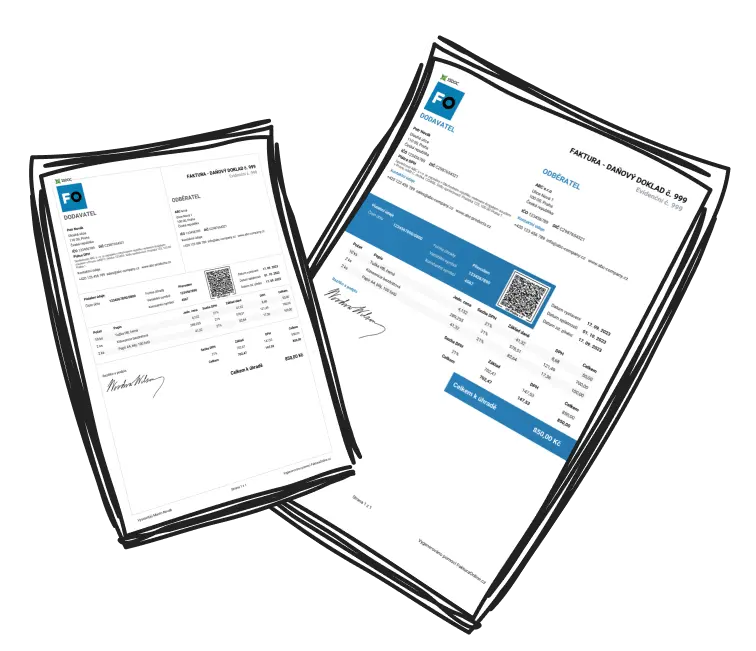
The functionality and legitimacy of a proforma invoice hinge upon its composition. It must include the seller and buyer's contact information, detailed descriptions of the agreed-upon goods or services, as well as their quantities and total costs. Specifically, payment and delivery conditions detailed in the proforma invoice, which are crucial to international trade, ensure that both parties understand their obligations and rights. To prevent any confusion with a standard invoice, the document should prominently declare its nature with a clear statement that it is a proforma invoice. One should always make a note of the issue date, a unique identifier for tracking purposes, and any expiration date linked to the offer's conditions, solidifying its role as a valuable and trustworthy document in the eyes of the business parties involved.
documents with easeCreate Document